Compare maltogenic amylase and beta amylase by mechanism, process fit, and commercial use across bakery, brewing, and starch applications.
Maltogenic amylase and beta amylase are often placed in the same conversation because both can generate maltose from starch. In commercial formulation, however, they answer different technical questions.
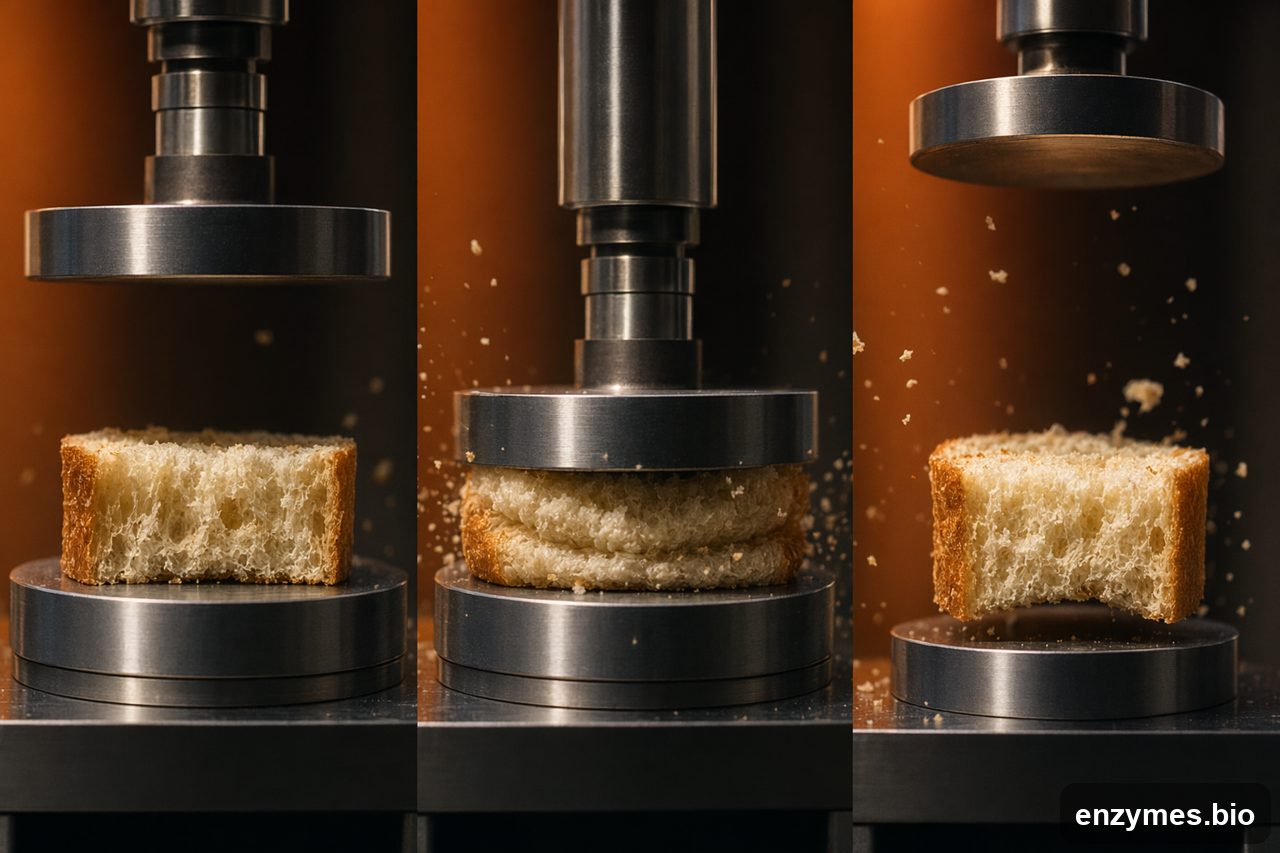
Beta amylase is primarily a sugar-production enzyme. It is valued where the process needs fermentable maltose, predictable extract, or controlled sweetness. Maltogenic amylase is more often selected when the performance target is baked texture: softer crumb, slower firming, improved resilience, and a longer fresh-eating window.
For bakery R&D, brewing technologists, starch processors, and procurement teams, the distinction matters. The right enzyme is not simply the one that produces maltose. It is the one whose temperature behavior, substrate preference, and downstream sensory effect match the process.
This comparison is written for bakery, brewing and starch manufacturers and the distributors who supply them with enzymes in bulk.
Buying in bulk? Send the product you make, the quantity and the destination country; pricing and pack are quoted per order. Request a quote
Use beta amylase when the main objective is maltose generation. It is common in brewing, distilling, malt-based systems, and starch conversion workflows where fermentable sugar profile is central.
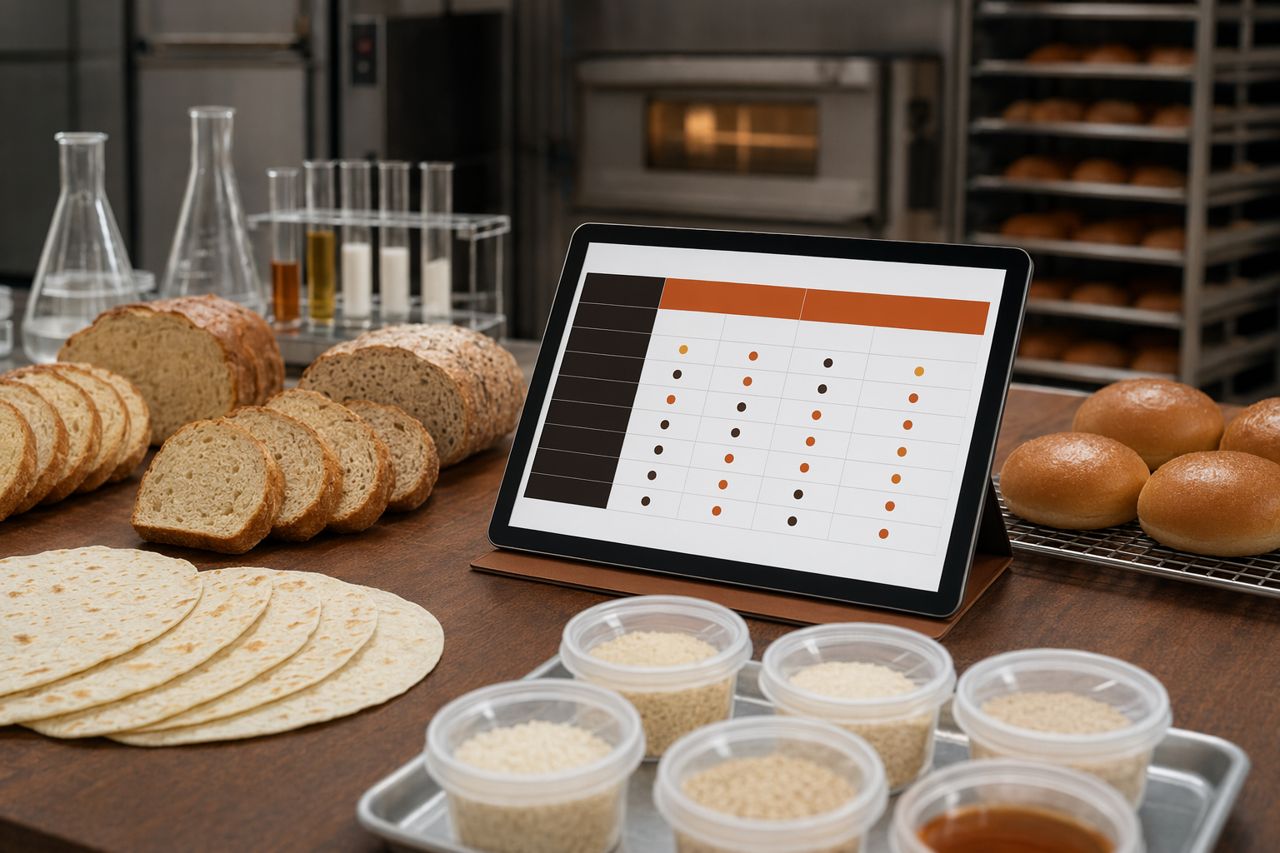
Use maltogenic amylase when the main objective is softness retention in baked goods. It is commonly used in pan bread, buns, rolls, tortillas, flatbreads, sweet bakery, and frozen-thaw bakery systems where crumb quality after storage is commercially important.
Both enzymes act on starch, especially the alpha-1,4 linkages within amylose and amylopectin. Their commercial behavior diverges because they operate differently in real formulas.
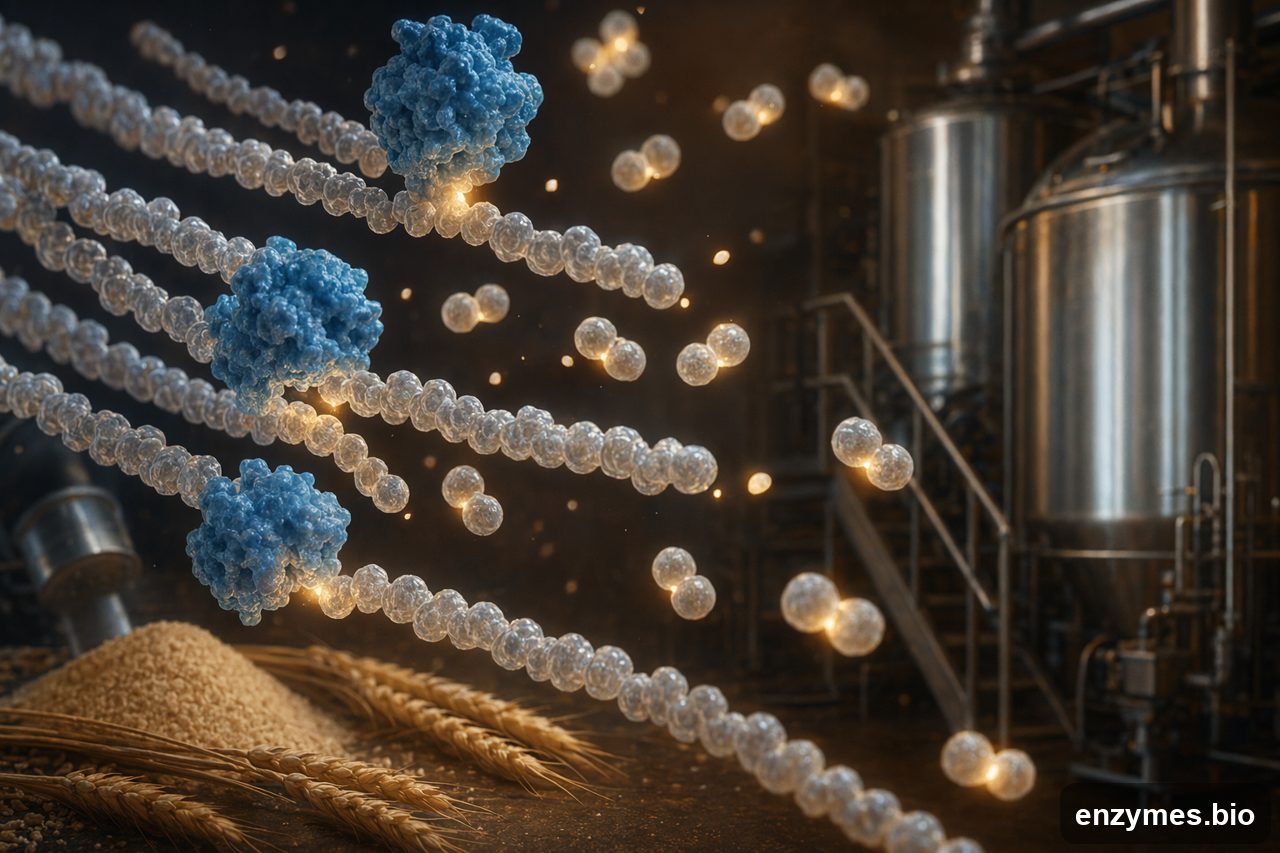
Beta amylase works from the non-reducing ends of starch chains and releases maltose units. It is efficient at producing maltose but is limited by branch points in amylopectin. In many processes, it performs best when starch has already been gelatinized or opened by other amylases, heat, milling, or mash conditions.
In practical terms, beta amylase is a saccharification tool. It helps shape fermentable extract, sweetness, attenuation potential, and browning contribution through sugar formation.
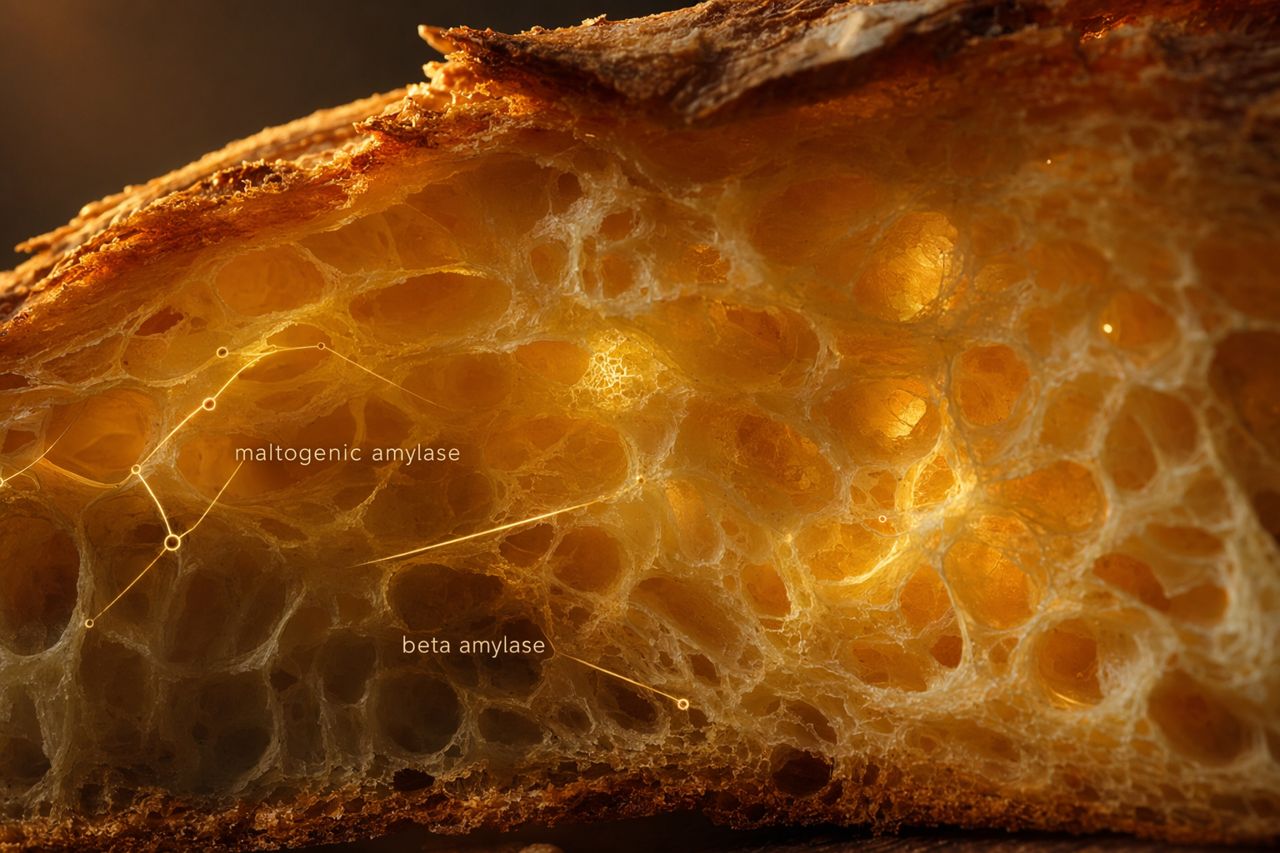
Maltogenic amylase also releases maltose, but in bakery its value is not just sugar generation. Its more important contribution is the way it modifies gelatinized starch during heating and early baking, influencing how starch behaves after the product cools.
In bread and other baked goods, firming is driven in part by starch retrogradation, especially the reassociation of amylopectin over time. Maltogenic amylase helps slow that process, preserving a crumb that feels moist, flexible, and elastic rather than dry, tight, or prematurely aged.
| Factor | Maltogenic Amylase | Beta Amylase |
|---|---|---|
| Primary commercial role | Crumb softness and anti-staling in bakery | Maltose production for fermentation, sweetness, and extract |
| Typical application fit | Bread, buns, rolls, tortillas, flatbreads, sweet goods, frozen bakery | Brewing, distilling, malt processing, starch conversion, syrups |
| Main sensory outcome | Softer bite, better resilience, slower crumb firming | More fermentable sugar, maltose-driven sweetness, color support |
| Bakery value | Shelf-life extension and eating quality protection | Limited unless sugar profile is the main issue |
| Process consideration | Must fit dough system, bake profile, flour quality, emulsifier package, and target shelf life | Must fit mash or conversion temperature, substrate accessibility, and fermentability targets |
| Procurement lens | Evaluate by bakery performance, consistency, format, documentation, and trial support | Evaluate by sugar profile contribution, process fit, consistency, and documentation |
Fresh bread is an unstable architecture. The crumb leaves the oven warm, open, and elastic; then moisture redistributes, starch begins to reassociate, and the eating quality changes. The consumer experiences this as dryness, firmness, reduced spring-back, and a shorter fresh window.
Maltogenic amylase is selected because it works inside that texture problem. In a well-balanced formula, it can help deliver:
This is why bakery teams rarely treat maltogenic amylase as a direct substitute for beta amylase. It is chosen for a different performance brief.
Beta amylase earns its place when the product or process needs fermentable maltose. In brewing and distilling, the enzyme helps define the carbohydrate profile available to yeast. In starch processing, it can be part of a broader conversion strategy where maltose yield and syrup character matter.
Commercial reasons to evaluate beta amylase include:
For these objectives, maltogenic amylase may not be the most direct or economical route. The process should be designed around the sugar profile, not crumb resilience.
Yes, but only when the process has two distinct objectives. For example, a system may need a defined sugar profile and a separate texture benefit. In practice, combined use requires careful control because too much starch modification can create stickiness, gummy crumb, excessive softness, or unwanted handling changes.
In bakery, the question should not be, which enzyme makes more maltose? The better question is, what eating quality must survive distribution and storage?
In brewing and starch conversion, the reverse is often true. The priority is usually fermentable profile, conversion efficiency, and downstream process behavior rather than the sensory mechanics of crumb.
The best enzyme choice depends on the entire system, not the name on the specification sheet. Before selecting maltogenic amylase or beta amylase, technical teams should evaluate:
Damaged starch, native enzyme background, protein quality, and flour treatment can all change enzyme response. A formula that performs cleanly with one flour stream may need adjustment with another.
Maltogenic amylase must align with the dough heating curve and early bake conditions. Beta amylase must align with mash, slurry, or conversion conditions. Temperature behavior is one of the most important practical differences between enzyme types.
Hydration, sugar, fat, eggs, fibers, hydrocolloids, and inclusions influence starch gelatinization and water mobility. These factors can alter the visible effect of maltogenic amylase in bakery systems.
Emulsifiers, oxidants, reducing agents, preservatives, gums, and other enzymes can amplify or mask enzyme performance. Maltogenic amylase is often strongest when evaluated as part of a complete improver strategy rather than as a single-ingredient fix.
A bun designed for three days of softness does not need the same enzyme balance as packaged bread designed for extended retail distribution. The target eating window should guide the trial plan.
They are not interchangeable in most commercial applications. Similar reaction products do not mean similar process value. Beta amylase is usually chosen for saccharification. Maltogenic amylase is usually chosen for anti-staling and crumb quality.
Excessive starch modification can create defects: gummy texture, weak slice structure, stickiness, or a crumb that feels artificially soft. The best result is balanced, not maximal.
Beta amylase may influence sugar availability and fermentation behavior, but it does not typically deliver the same crumb-softening and anti-firming profile expected from maltogenic amylase in bakery.
Packaged bread is a major use case, but the enzyme can also be relevant in buns, rolls, tortillas, flatbreads, sweet doughs, frozen dough, par-baked systems, and bakery products where flexibility or softness over time affects sell-through.
When comparing maltogenic amylase and beta amylase, procurement and R&D teams should ask suppliers for process-relevant answers, not generic claims.
Key questions include:
Maltogenic Amylase Solutions supports practical evaluation around finished-product performance: crumb softness, resilience, slice behavior, handling, storage response, and eating quality.
For brewing, distilling, and starch conversion, start the conversation with beta amylase if maltose generation is the main requirement.
For bread, buns, tortillas, rolls, and other baked goods, start with maltogenic amylase if the brief is freshness extension, soft bite, and delayed crumb firming.
If the project touches both sugar profile and texture, build a controlled trial. Enzyme selection should be based on the finished product, not the enzyme category alone.
Tell us the product and process, the quantity per order or per month, and the destination country. Use the inquiry form on this page. Pricing, pack format and lead time are quoted per order. Request a quote
Tell us your application and volume — we reply with pricing and lead time.
We have received your message. We will reply by email.