Maltogenic Amylase can help manage softness, flexibility, foldability, and eating quality in wheat-based tortillas and flatbreads.
Tortillas and flatbreads do not fail in a single moment. They tighten at the edge. They crack on the fold. They lose the warm, pliable bite that made the first production sample feel right.
Maltogenic Amylase Solutions Maltogenic Amylase is positioned for wheat-based flatbread systems where softness, flexibility, and texture retention carry commercial weight: retail tortillas, wraps, pocket-style flatbreads, foodservice bases, and ambient-distributed bakery lines.
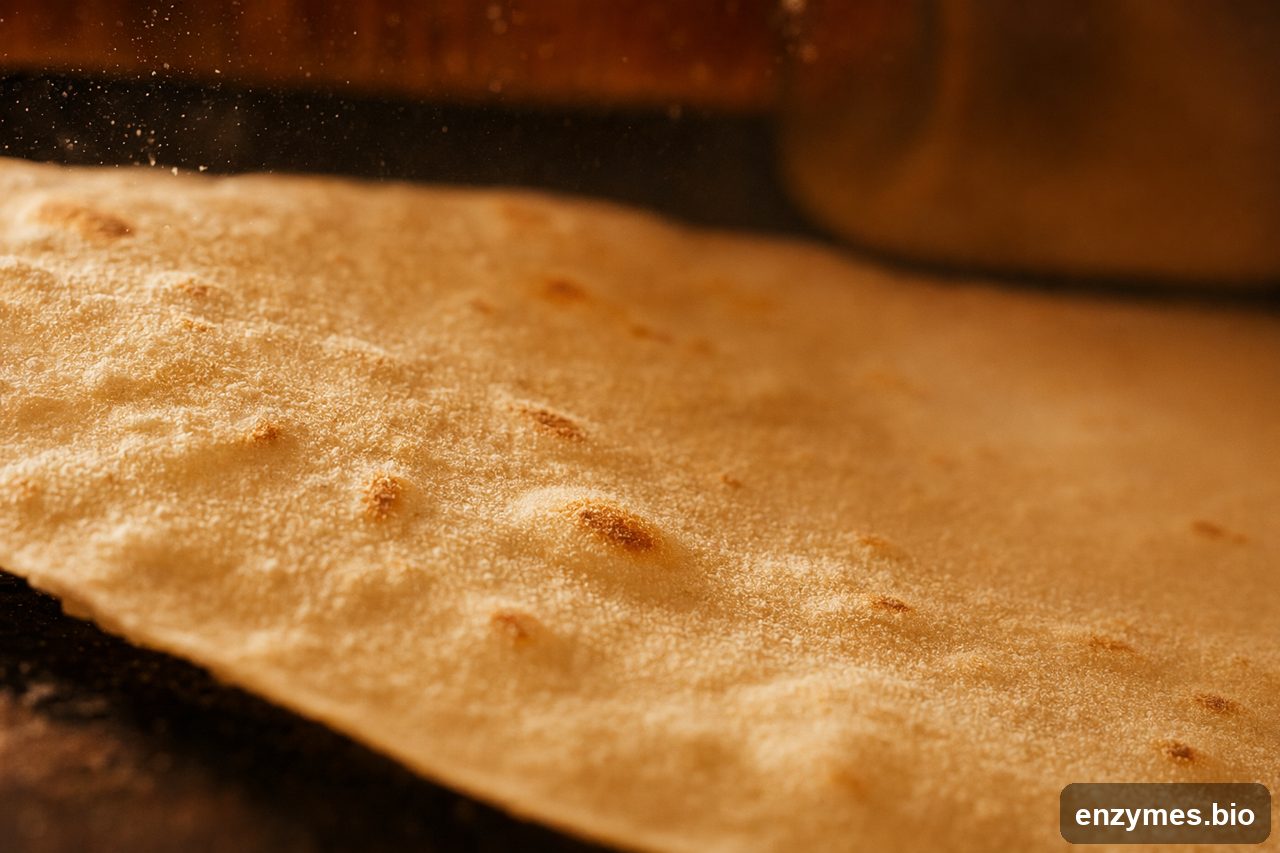
Maltogenic Amylase Solutions supplies maltogenic amylase in bulk to tortilla and flatbread manufacturers, improver blenders and ingredient distributors.
Buying in bulk? Send the product you make, the quantity and the destination country; pricing and pack are quoted per order. Request a quote
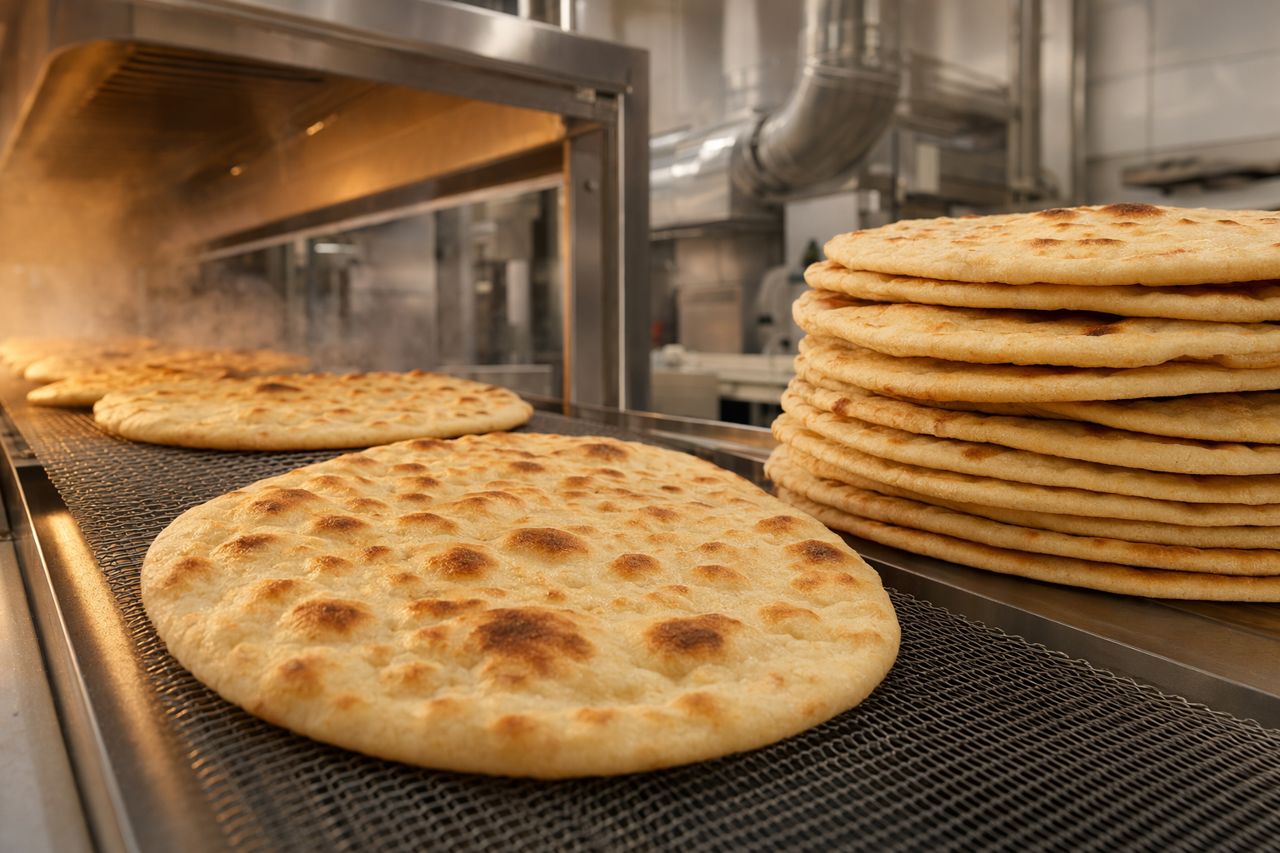
Maltogenic amylase helps manage starch firming during storage, supporting a softer, more flexible eating texture over time. In tortillas and flatbreads, that performance is not abstract. It shows up in how the product handles on the line, how it stacks after cooling, how it rolls at point of use, and how it eats after distribution.
For bakery R&D teams, the target is usually clear:
Maltogenic Amylase is used as part of a complete flatbread texture system. It can be evaluated alongside flour quality, hydration, fat selection, emulsifiers, gums or hydrocolloids, preservatives, reducing systems, mixing intensity, bake profile, cooling, and pack temperature.
It is particularly relevant when the brief includes:
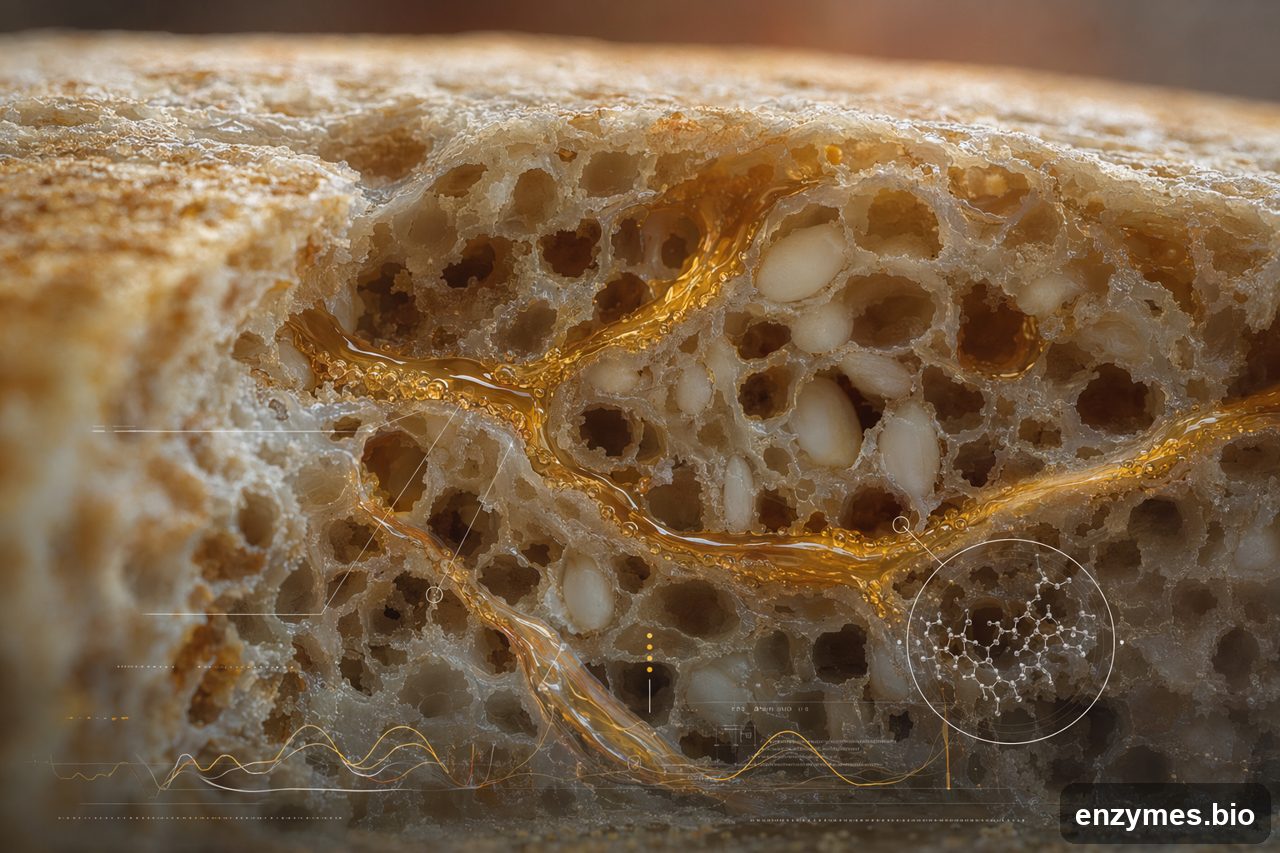
Softness, rollability, and edge flexibility are central to consumer acceptance. Maltogenic amylase can help protect the pliable texture expected from a premium wrap, especially in products designed for ambient distribution.
For operators, the product has to perform after storage, opening, reheating, filling, folding, and holding. Texture retention can reduce breakage and improve usability in high-volume preparation.
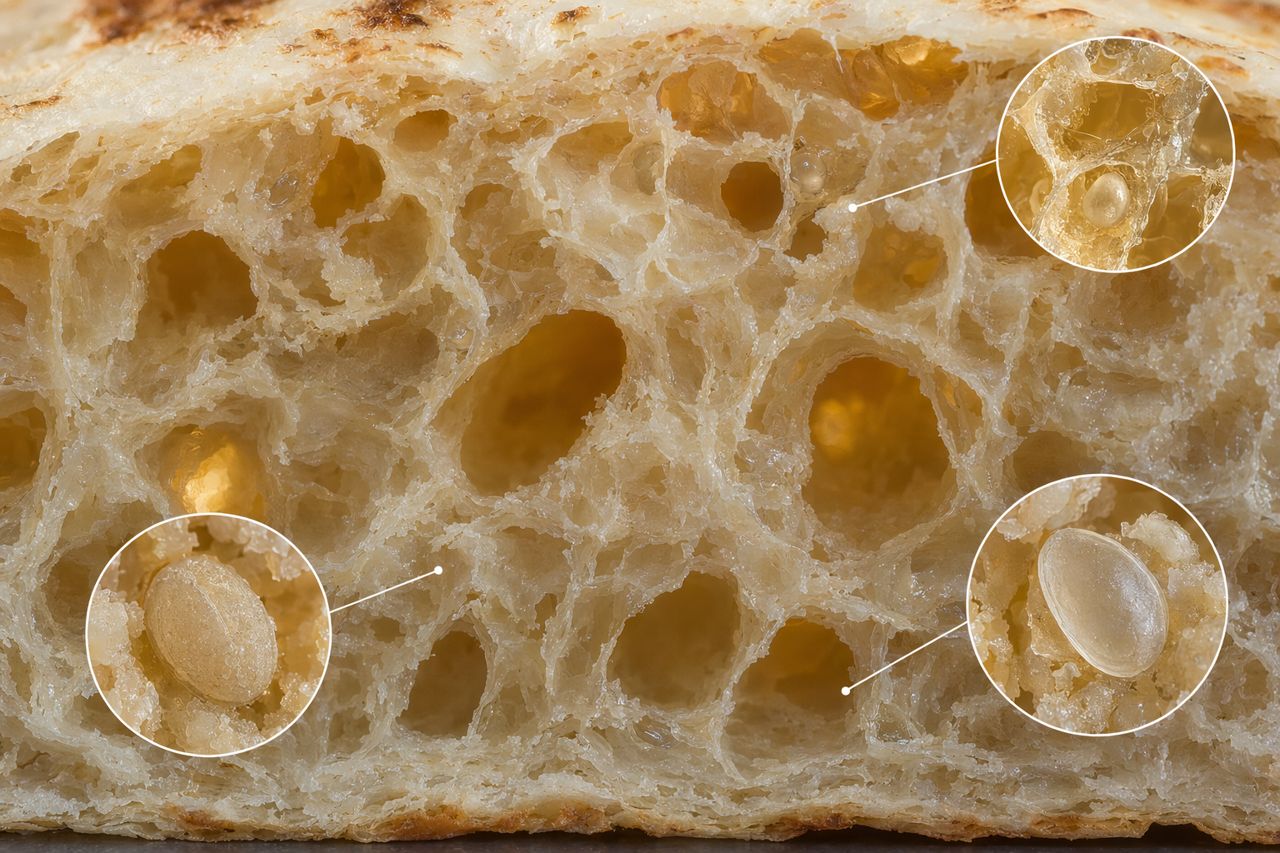
Any format that bends, opens, folds, or tears predictably benefits from controlled crumb and starch behavior. Maltogenic amylase supports a softer structure without pushing the product toward a gummy or fragile bite when properly balanced.
Flatbread quality is often judged by touch before taste. A tortilla that feels boardy, brittle, or dry has already lost confidence before it reaches the plate.
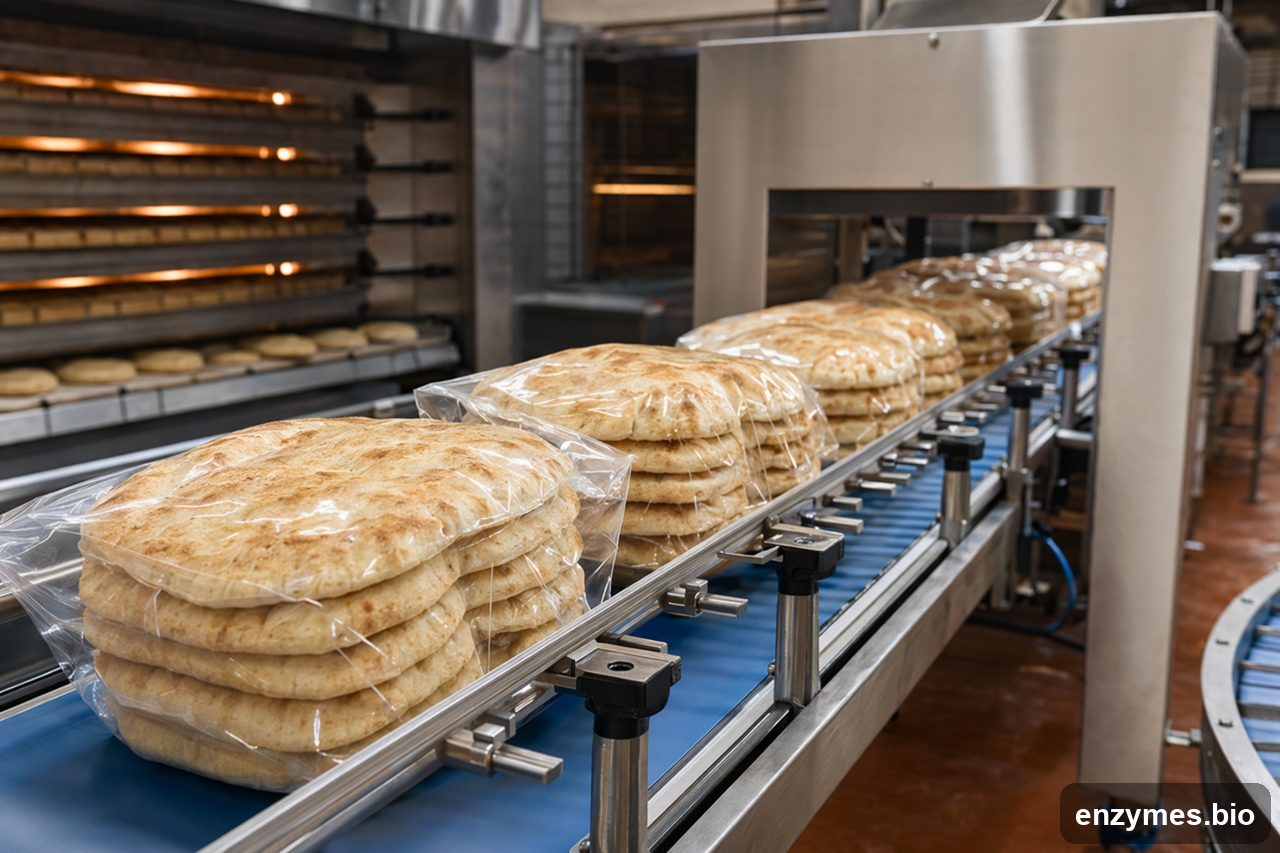
Maltogenic Amylase can be screened when teams are working to improve:
Maltogenic amylase is not a one-variable fix. The strongest results come from evaluating it within the full processing reality of the line.
Key review points include:
Maltogenic Amylase Solutions supports evaluation around the product you actually make, not a generic white-pan-bread model. Tortillas and flatbreads have their own mechanical demands, and the enzyme strategy should respect that.
For procurement, the enzyme must do more than read well on a technical sheet. It needs to fit production planning, documentation requirements, supplier qualification, and cost-in-use review.
Maltogenic Amylase is offered for B2B bakery manufacturers seeking a focused enzyme input for softness and shelf-life texture management in wheat-based systems. Technical and commercial discussions can be aligned around your format, process, and purchasing requirements.
Tell us the tortilla or flatbread format, the shelf-life target, the quantity per order or per month, and the destination country. Use the inquiry form on this page. Pricing, pack format and lead time are quoted per order. Request a quote
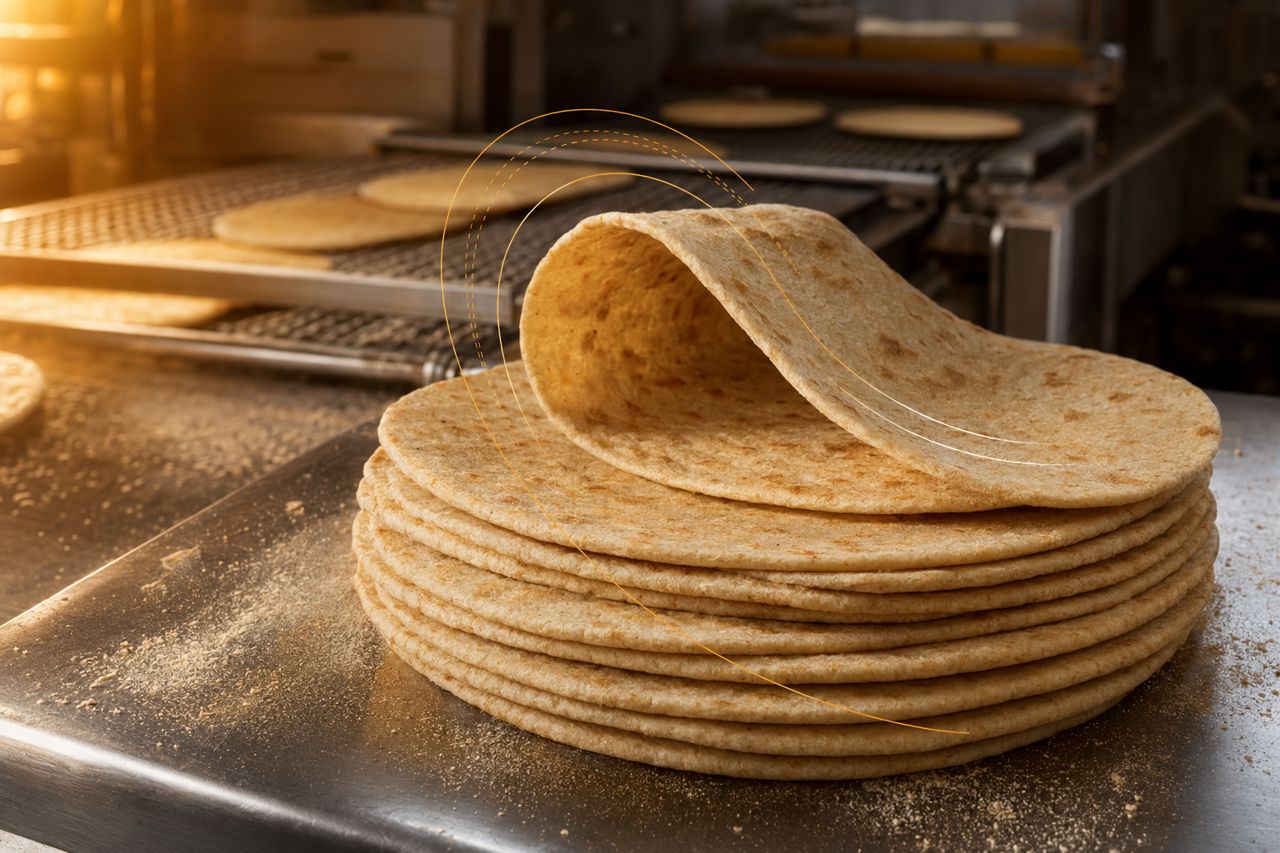
Tell us your application and volume — we reply with pricing and lead time.
We have received your message. We will reply by email.