Diagnose common maltogenic amylase issues in bread, buns, rolls, and sweet bakery systems: softness, gumminess, collapse, browning, and shelf-life drift.
Maltogenic Amylase is one of the most useful anti-staling tools in modern bakery formulation, but it is not a magic softener. It works inside a system: flour quality, water absorption, fermentation, bake profile, emulsifiers, sugar, fat, packaging, and distribution temperature all affect the result.
When the application is tuned correctly, Maltogenic Amylase helps bread and sweet bakery products hold a softer, more resilient crumb for longer. When the system is unbalanced, the symptoms are usually sensory first: a crumb that feels tacky, a slice that balls under pressure, a loaf that loses height, or a product that still firms too quickly despite enzyme inclusion.
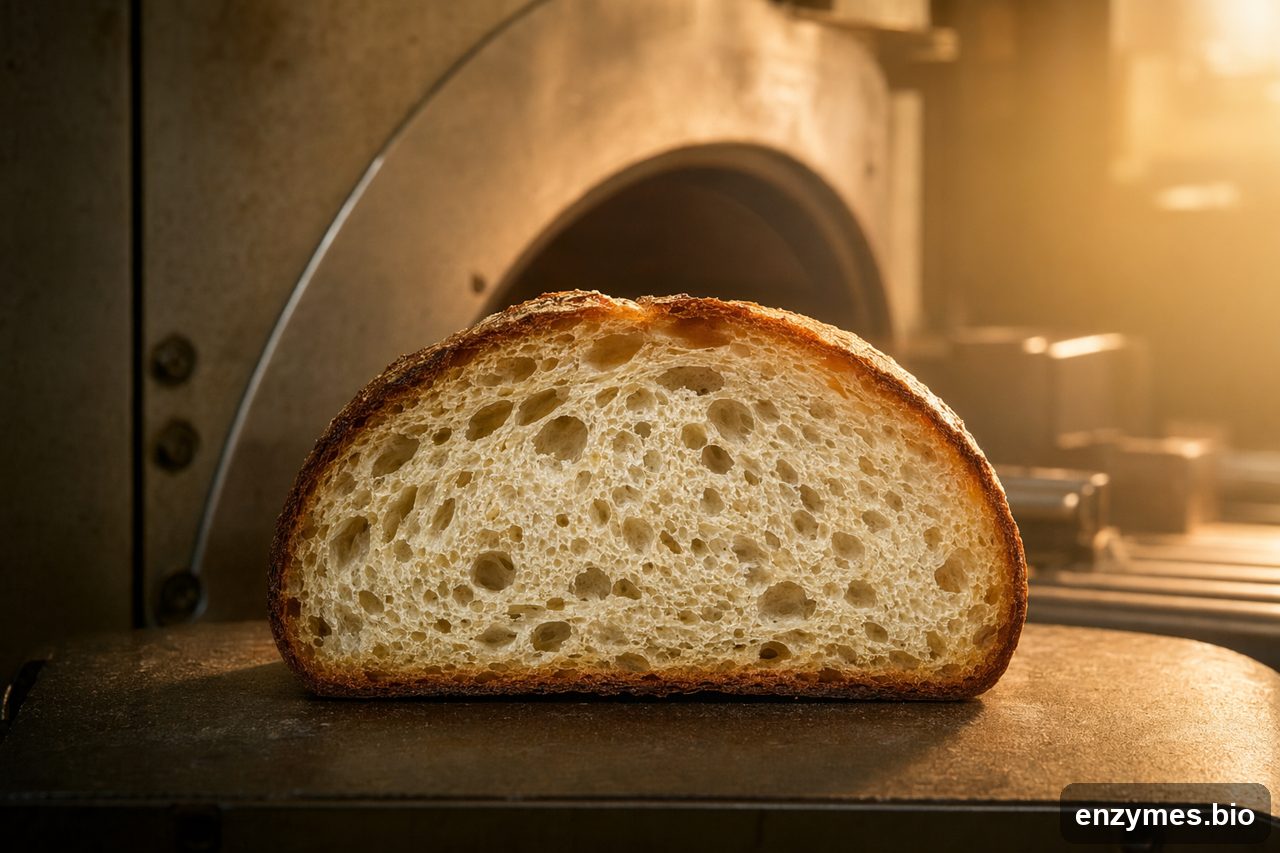
This guide is written for bakery R&D, plant technologists, and procurement teams troubleshooting Maltogenic Amylase in breads, buns, rolls, pan breads, tortillas, and enriched dough systems.
If you buy maltogenic amylase in bulk and a line is drifting, the steps below help you decide whether the enzyme, the dose or the process needs to change.
Buying in bulk? Send the product you make, the quantity and the destination country; pricing and pack are quoted per order. Request a quote
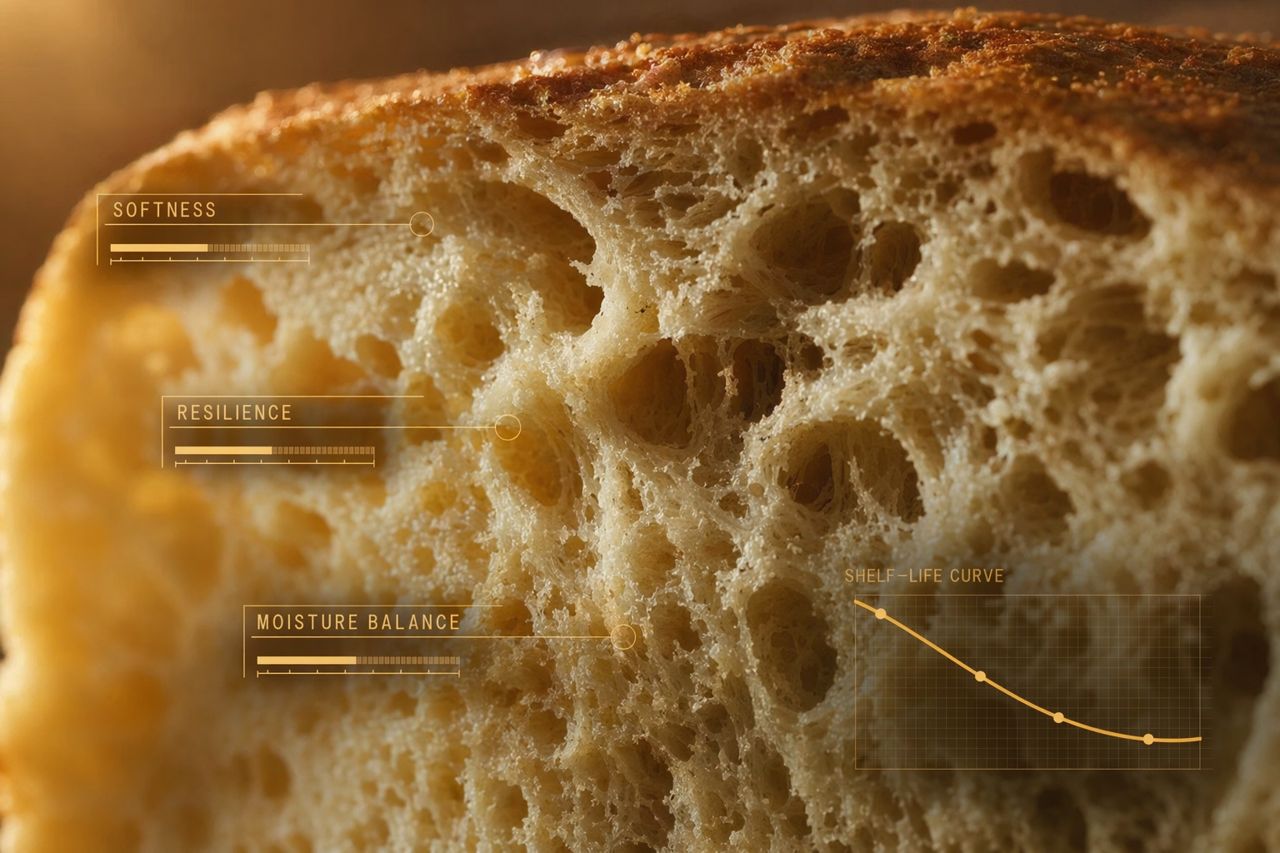
In baked systems, Maltogenic Amylase helps manage starch retrogradation after baking. The practical outcome is improved crumb softness, better fold and squeeze recovery, and longer eating quality during shelf life.
It is typically selected when the brief includes:
The key is balance. Too little may give no visible shelf-life extension. Too much, or the wrong process environment, can shift softness into stickiness.
| Symptom | Most likely direction | What to check first |
|---|---|---|
| Crumb is still firming too quickly | Under-response or process limitation | Enzyme level, bake severity, packaging timing, flour variation |
| Crumb is gummy or tacky | Over-response or excess retained moisture | Enzyme level, bake-out, water absorption, cooling profile |
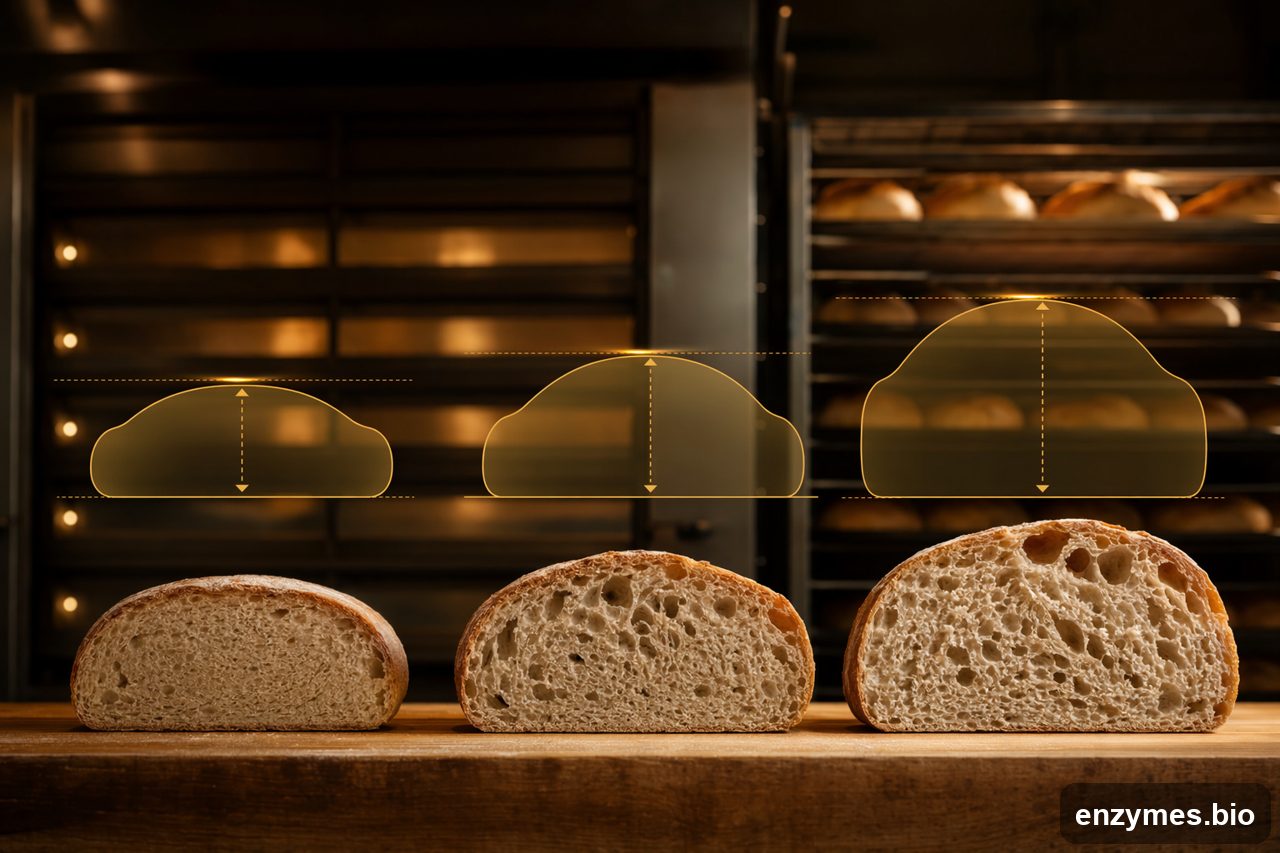
| Loaf volume is reduced | Formula or process stress | Dough strength, fermentation, oxidant/reducer balance, hydration |
| Slices tear or ball up | Crumb structure too weak or too moist | Bake profile, enzyme balance, emulsifier interaction, slicing temperature |
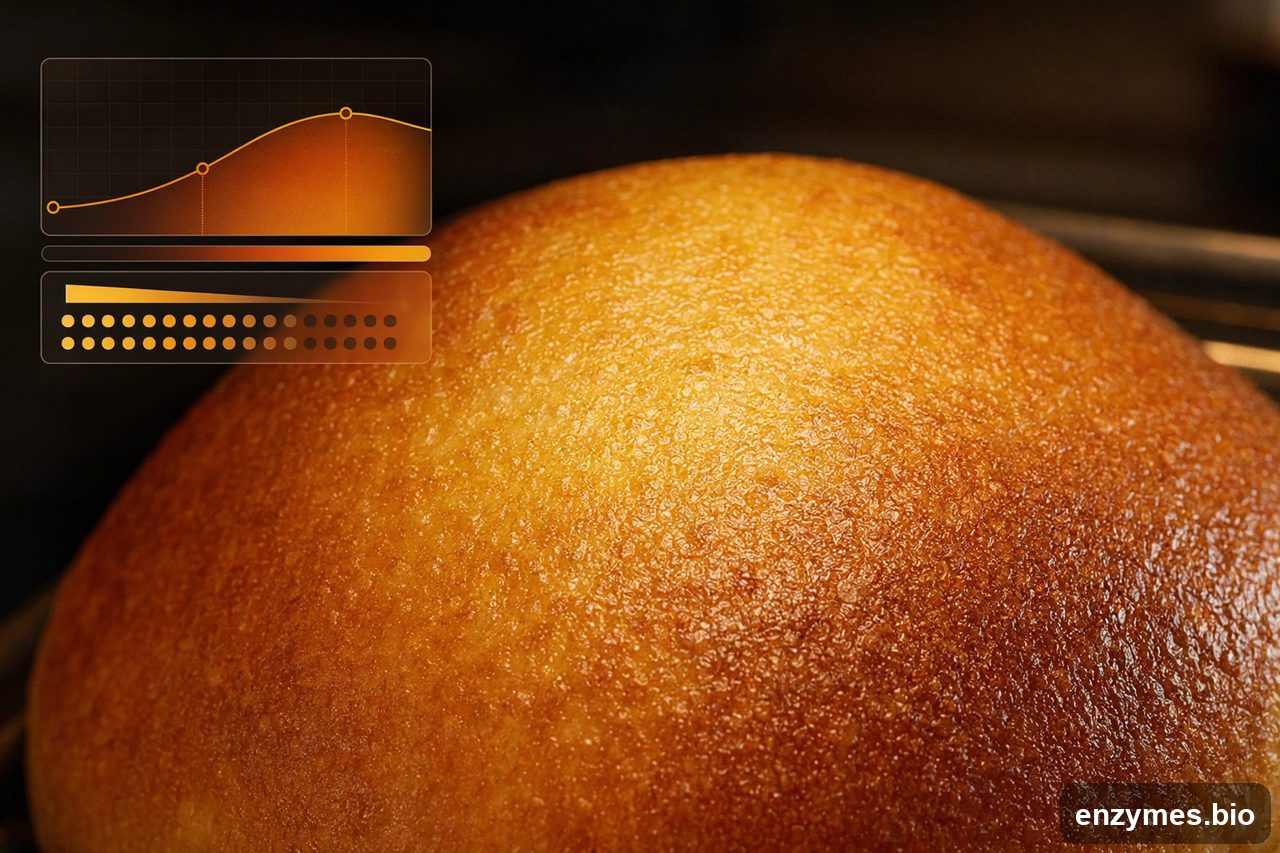
| Excess browning | Sugar release and bake conditions | Oven color curve, reducing sugars, sweetener load, crust target |
| Inconsistent shelf life batch to batch | Variable substrate or process drift | Flour lot, damaged starch, dough temperature, proof, bake, pack |
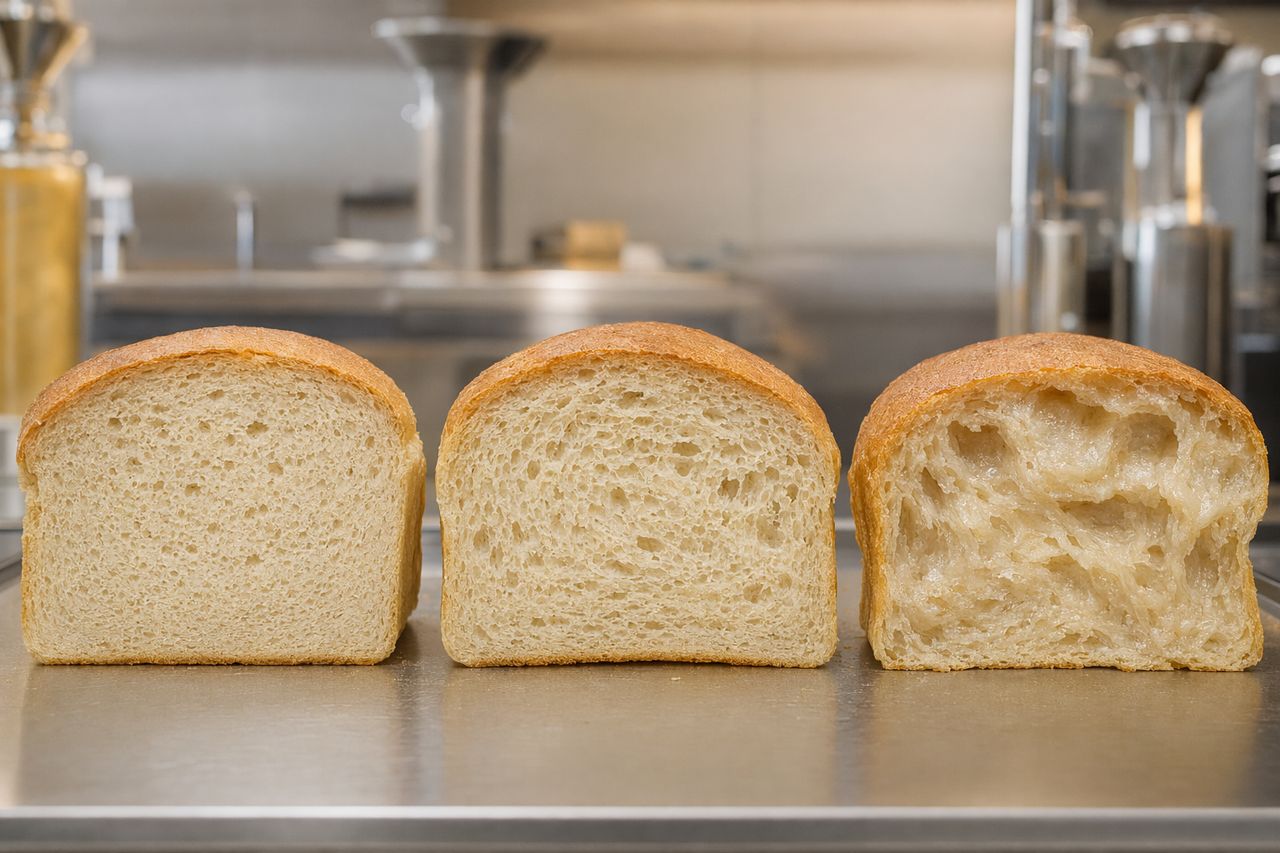
The crumb is acceptable on day one, then tightens quickly. Slices lose flexibility, the bite becomes dry, and the product behaves like an untreated control earlier than expected.
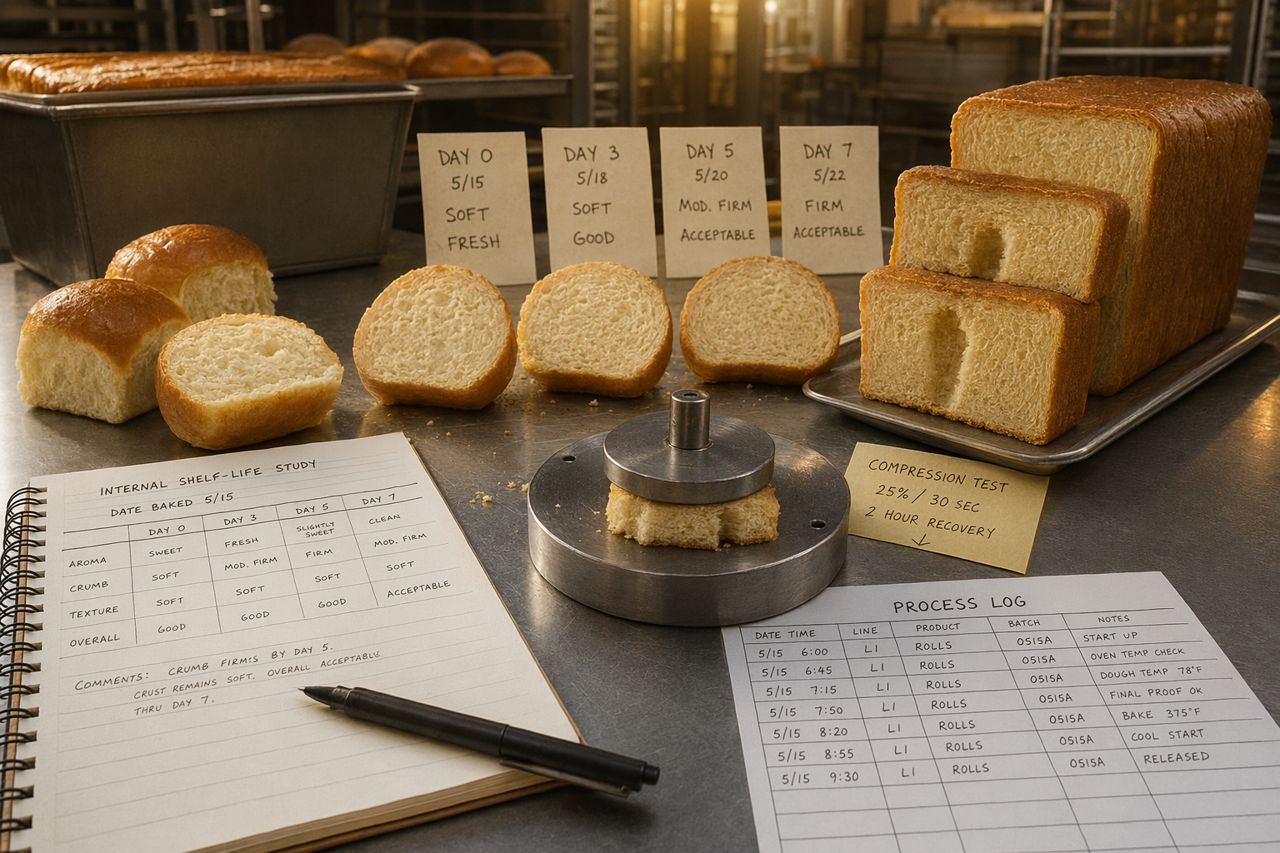
Run a controlled dosage ladder using the same flour lot, same fermentation window, and same bake profile. Evaluate softness instrumentally if available, but do not skip sensory compression and slice handling. Maltogenic Amylase performance is ultimately judged in the hand and in the bite.
Also review bake-out. A product can be technically softening through enzyme action and still eat dry if the bake profile removes too much moisture or the crumb is open and fragile.
The slice compresses but does not spring back cleanly. Crumb may cling to the knife, ball under finger pressure, or feel wet even when the product is fully baked.
Reduce the enzyme stepwise and check whether resilience improves before making broader formula changes. Confirm internal bake quality and cooling discipline. In high-moisture sandwich bread and enriched buns, the difference between “premium soft” and “tacky” is often a narrow process window.
If the product contains emulsifiers, high sugar, fat, humectants, or other enzyme systems, evaluate Maltogenic Amylase as part of the full softness stack, not as a standalone input.
Maltogenic Amylase is primarily valued for post-bake softness, but bakeries may still observe handling changes when the overall enzyme system or hydration is modified at the same time.
Do not assume Maltogenic Amylase alone caused sticky dough. Rebuild the trial from the base formula and add variables one at a time. If stickiness persists, adjust water absorption, mixing energy, flour strength, or the broader enzyme blend before rejecting the anti-staling concept.
Loaves may show reduced crown, sidewall weakness, shoulder collapse, or a slightly compressed crumb structure.
Maltogenic Amylase is not usually selected as a volume enzyme, but excessive softening in a weak dough system can expose structure limitations. The root cause may be flour strength, mixing tolerance, fermentation control, pan proof height, or interactions with reducing agents and emulsifiers.
Keep the enzyme level constant and first verify dough development and proof control. Then compare the same formula with adjusted strengthening support. If volume recovers while crumb softness remains, the issue was structural balance rather than anti-staling performance itself.
Amylase systems can influence fermentable and reducing sugar availability. In formulas already rich in sugar, milk solids, syrups, or inclusions, even a small change in sugar profile can show up as faster browning.
Adjust the oven color curve before changing the entire formula. Review top heat, bake time, and target internal finish. If color is still above specification, reduce the enzyme contribution or rebalance sweetener and milk-solid inputs.
For premium buns and rolls, color is part of perceived freshness. The goal is warm golden crust, not a prematurely dark surface that signals dryness.
Maltogenic Amylase acts on starch-based substrate, and flour is not a fixed material. Changes in wheat class, milling profile, damaged starch, protein quality, and absorption can all alter the way the finished crumb ages.
Procurement and R&D should treat enzyme selection and flour sourcing as connected decisions. A lower-cost flour that creates shelf-life variability may erase the value of a well-designed enzyme program.
The crumb compresses easily but does not recover. Slices may fold without cracking, yet they feel weak, damp, or overly tender.
Evaluate softness and resilience separately. A good Maltogenic Amylase application should not simply make bread “softer”; it should help preserve a pleasant, elastic bite. If recovery is poor, strengthen the dough system, adjust moisture management, or reduce the enzyme level until the crumb has both tenderness and memory.
Plant conditions magnify small timing and temperature differences. Longer dough residence, warmer makeup areas, different proof humidity, higher oven load, and longer cooling conveyors can all shift finished texture.
A successful Maltogenic Amylase rollout depends on process discipline as much as ingredient selection.
The target is fine, resilient crumb with slower firming. Watch for gumminess if hydration is high or bake-out is light. Packaging timing has a major effect on perceived freshness.
Focus on squeeze recovery and hinge flexibility. Excess softness can cause crushing during bagging or distribution, so resilience matters as much as initial tenderness.
Sugar, fat, dairy solids, and fillings can intensify softness and browning effects. Troubleshoot color and tackiness before assuming the enzyme is unsuitable.
The desired benefit is foldability and reduced cracking. Monitor surface tack, stacking behavior, and package condensation, especially in warm packing conditions.
Performance depends heavily on freeze-thaw stress, yeast activity, final proof, and bake completion. Validate the enzyme in the actual frozen or par-bake process, not only in fresh dough trials.
A clean trial design prevents false conclusions.
The best outcomes usually come from a narrow reformulation supported by tighter process control, not from a single large ingredient change.
When sourcing Maltogenic Amylase for bakery use, procurement should go beyond price per kilogram. Ask for application support, format consistency, bakery-use documentation, allergen and regulatory status, country-of-origin information, and stability guidance for your storage conditions.
For R&D, the most useful supplier is one that can discuss crumb texture in practical terms: softness, resilience, tack, slice behavior, shelf-life curve, and formula interactions.
Tell us the product, the problem you see, the quantity per order or per month, and the destination country. Use the inquiry form on this page. Pricing, pack format and lead time are quoted per order. Request a quote
Maltogenic Amylase performs best when it is treated as a precision texture tool, not a generic softener. If crumb firmness is the problem, increase the clarity of the trial. If gumminess is the problem, reduce overlap and review bake-out. If performance changes by plant or flour lot, control the variables before changing the enzyme strategy.
The goal is not just longer shelf life. The goal is bread that still feels fresh when the customer opens the bag.
Tell us your application and volume — we reply with pricing and lead time.
We have received your message. We will reply by email.