A technical comparison of Maltogenic Amylase and alpha amylase for bakery teams evaluating crumb softness, dough performance, crust color, resilience, and shelf-life.
For bakery R&D teams, the difference between Maltogenic Amylase and alpha amylase is not a simple strength comparison. It is a question of timing, starch target, finished-eating quality, and commercial shelf-life.
Alpha amylase is usually selected to influence dough fermentation, starch breakdown, loaf volume, crust color, and bake expression. Maltogenic Amylase is selected when the objective is more specific: preserving softness, resilience, and slice quality as the product moves through distribution.
Both belong in the bakery technologist’s toolkit. They simply solve different problems.
This comparison is written for bakery manufacturers, improver blenders and distributors deciding which amylase to buy in bulk.
Buying in bulk? Send the product you make, the quantity and the destination country; pricing and pack are quoted per order. Request a quote
Alpha amylase helps create bake performance. Maltogenic Amylase helps protect crumb quality after baking.
In practical bakery language:
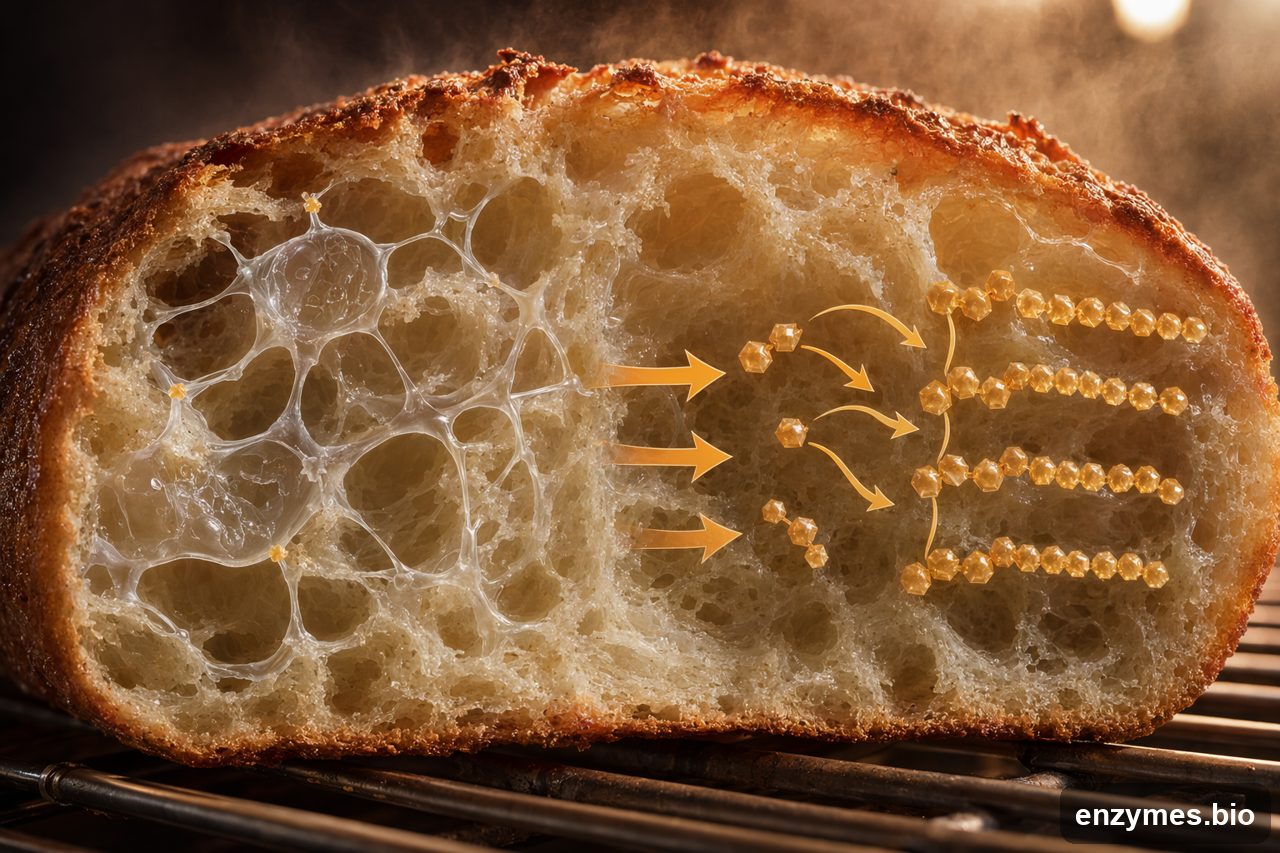
Alpha amylase acts broadly on starch, breaking internal starch chains into shorter dextrins and sugars. In bakery systems, this can support yeast activity, improve oven response, and contribute to crust color and aroma development.
That makes alpha amylase especially relevant when a formula needs:
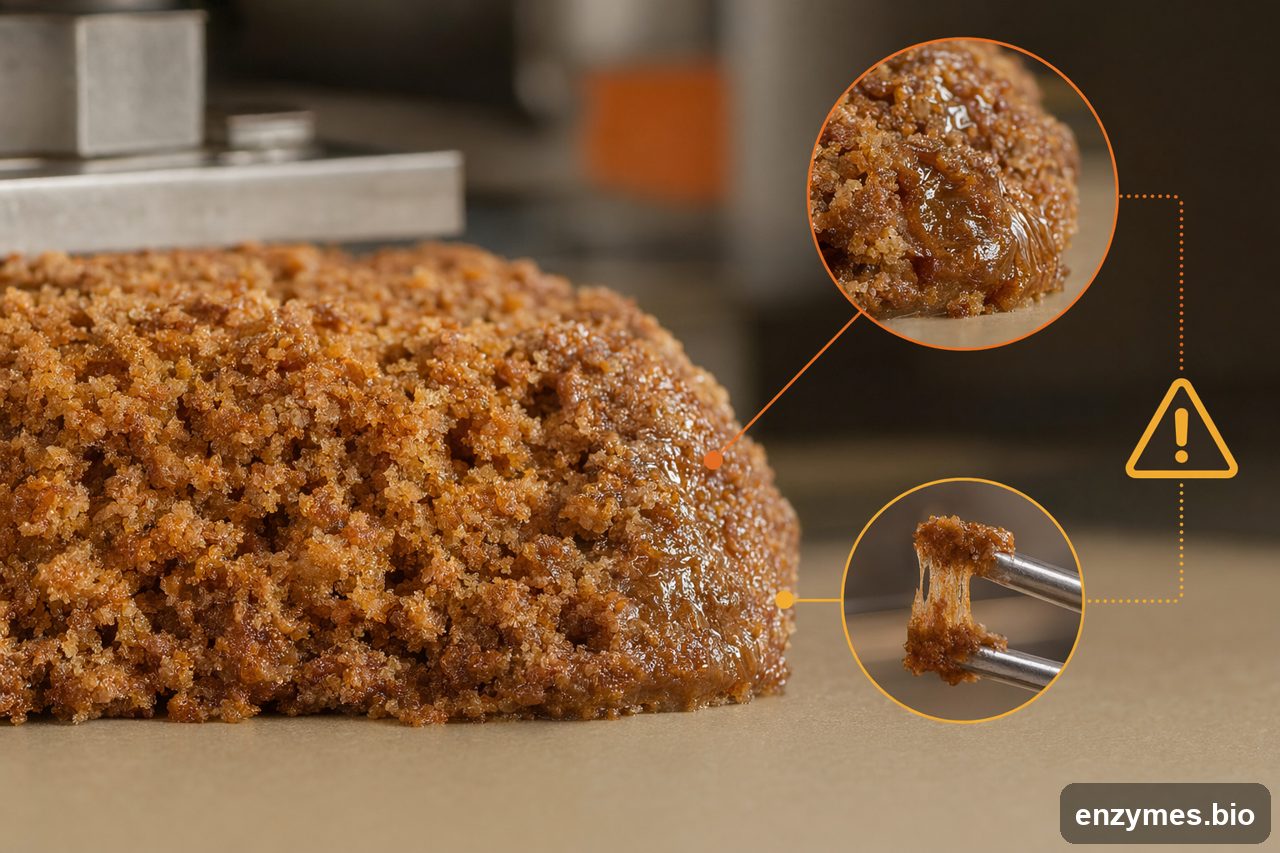
The caution is equally important. If alpha amylase activity is not balanced against flour quality, process conditions, and formula water, the result can move beyond softness into stickiness, gumminess, weak slicing, or a damp crumb impression. This is why alpha amylase is commonly managed as a dough and bake-performance lever rather than a pure shelf-life solution.
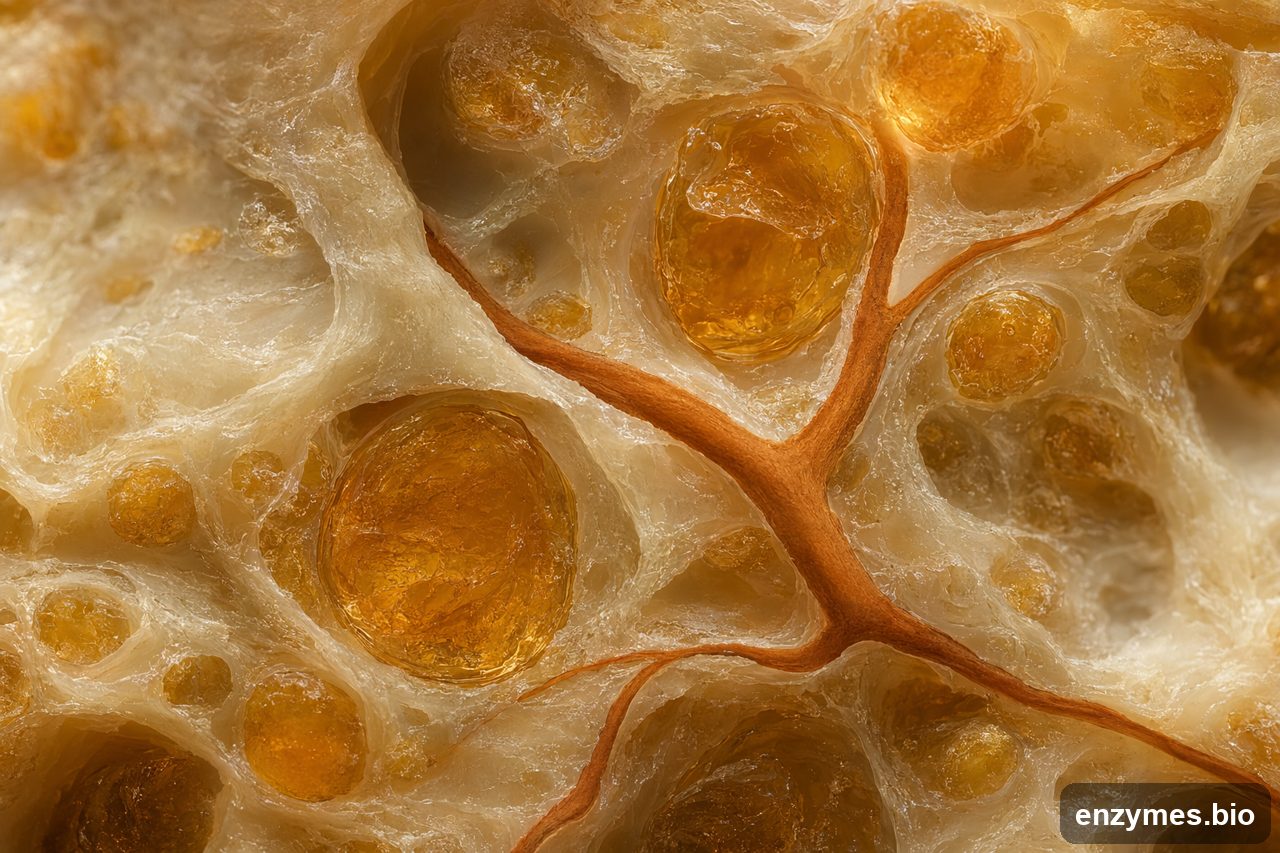
Maltogenic Amylase is more targeted in its bakery value. It acts on starch in a way that helps slow crumb firming after baking. Its most visible effect is not just a softer day-one loaf, but a loaf that remains tender and resilient through the product’s intended selling window.
For commercial bakers, that means Maltogenic Amylase is often used to improve:
The sensory distinction matters. A well-built Maltogenic Amylase system should feel soft, elastic, and fresh, not sticky. The target is crumb that springs back, tears cleanly, and carries moisture perception without collapsing into gumminess.
A useful way to compare these enzymes is to think about when their effect matters most.
Alpha amylase is most often judged by what it helps the dough and oven deliver: fermentation support, volume, crust color, and starch conversion. Its value is visible early in the process and at bake release.
Maltogenic Amylase is judged by what happens after the loaf cools, slices, bags, ships, and waits on shelf. Its value is visible in the second, third, fourth, or later eating occasion, depending on the product format and distribution model.
This is why a bakery may already have alpha amylase in a flour improver system and still need Maltogenic Amylase for branded softness claims, longer route-to-market, or premium eating quality.
| Question | Alpha amylase | Maltogenic Amylase |
|---|---|---|
| Primary bakery role | Dough performance and starch conversion | Anti-staling and softness retention |
| Main commercial benefit | Fermentation support, bake lift, crust color, flour correction | Longer-lasting soft crumb and resilient texture |
| Best-fit product need | Volume, color, bake consistency | Shelf-life, freshness perception, slicing quality |
| Sensory risk if overused | Sticky or gummy crumb, weak structure | Over-soft texture if not balanced with formula and process |
| Typical evaluation point | Dough behavior, bake result, crust, crumb openness | Firmness over time, resilience, clean slicing, eating quality |
| Procurement question | Is it the right tool for flour and process control? | Is it the right tool for shelf-life economics and consumer experience? |
Choose Maltogenic Amylase when the business problem is not simply making the loaf bake well, but keeping it desirable through the full selling window.
It is especially relevant for:
Maltogenic Amylase is also valuable when a bakery needs to reduce reliance on certain freshness systems, improve consistency across routes, or protect texture in products that experience compression during packing and transport.
Alpha amylase is the better first question when the product is underperforming before shelf-life is even measured.
Consider alpha amylase first when you are trying to improve:
In these cases, Maltogenic Amylase may improve softness retention later, but it will not replace the broader dough-performance function of alpha amylase.
Yes, and in many premium bakery systems the best answer is not either-or. The formulation goal is to assign each enzyme a distinct role.
A common strategy is:
The key is restraint. A high-performing enzyme system should not announce itself as enzymatic. It should simply make the product feel well made: soft, aromatic, sliceable, and fresh.
The right choice depends on more than enzyme name. Bakery teams should evaluate both enzymes against the actual product system.
Important variables include:
A formula that performs beautifully in a short local route may need a different enzyme balance for regional distribution. Likewise, a bun line with heavy compression after bagging may need more focus on resilience than initial softness.
For procurement and technical sourcing teams, comparison should go beyond price. The wrong enzyme choice can create waste through off-texture, variable slicing, complaints, or failed plant trials.
Before sourcing Maltogenic Amylase or alpha amylase, ask for clarity on:
Maltogenic Amylase Solutions supplies Maltogenic Amylase with a bakery-first technical lens, helping teams connect ingredient choice to finished-product performance rather than treating enzyme selection as a generic commodity decision.
If your issue is pale crust, limited fermentation support, or low volume, start with alpha amylase.
If your issue is crumb firming, dry bite, poor resilience, or short freshness perception, start with Maltogenic Amylase.
If your issue is a good day-one loaf that becomes disappointing in distribution, Maltogenic Amylase is likely the more relevant lever.
If your issue is variable flour behavior that affects bake performance, alpha amylase may be the first adjustment, with Maltogenic Amylase added only if shelf-life remains a problem.
If your premium bread or bun line needs both bake consistency and longer softness, evaluate a balanced system using both enzymes.
Tell us what you bake, how long it needs to stay soft, the quantity per order or per month, and the destination country. Use the inquiry form on this page. Pricing, pack format and lead time are quoted per order. Request a quote
Tell us your application and volume — we reply with pricing and lead time.
We have received your message. We will reply by email.