How maltogenic amylase works inside bakery enzyme blends to improve crumb softness, resilience, slicing quality, and shelf-life in breads, buns, tortillas, and sweet baked goods.
Maltogenic Amylase is rarely evaluated in isolation by serious bakery teams. Its value is clearest inside a balanced enzyme system: one that protects crumb softness, supports dough handling, and keeps finished goods resilient through distribution.
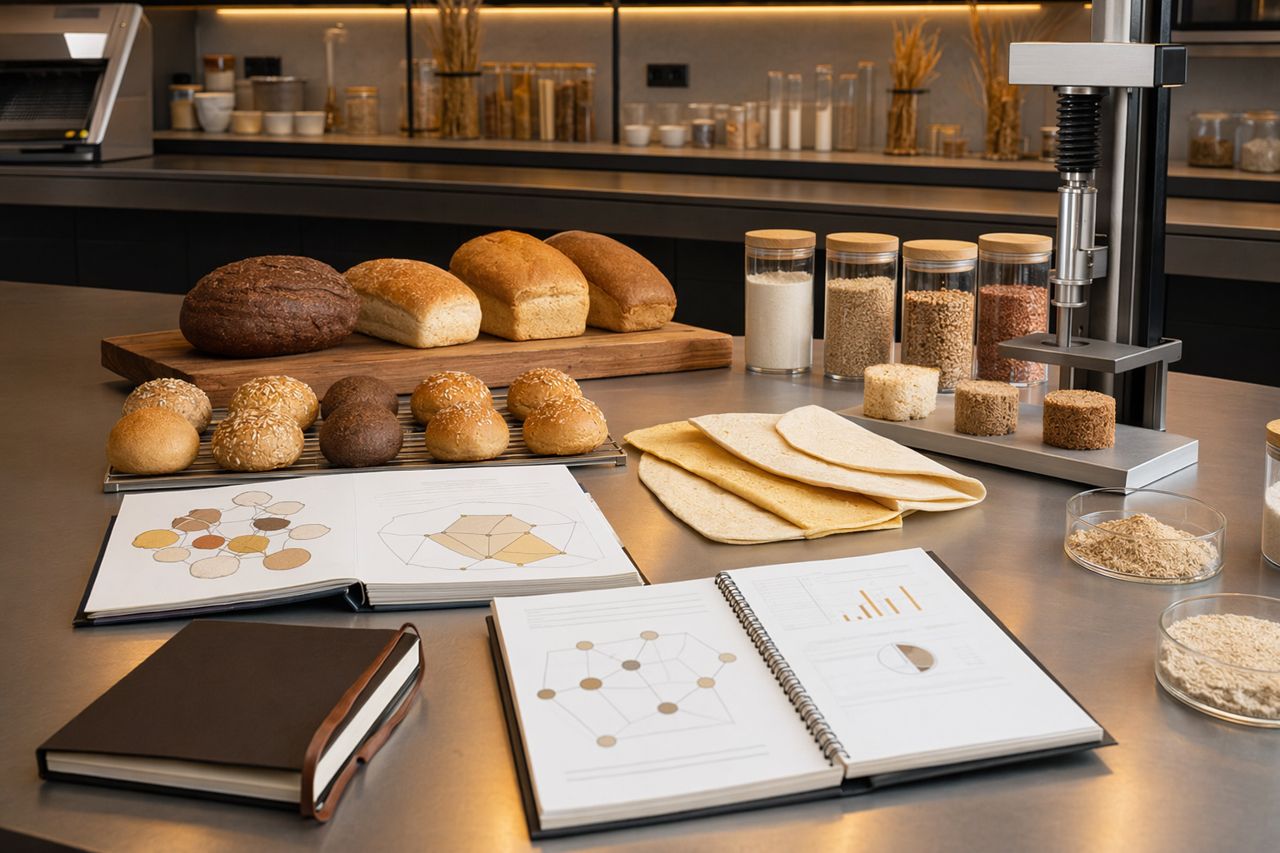
For packaged breads, buns, tortillas, rolls, and sweet baked goods, the objective is not simply “anti-staling.” The practical target is a crumb that stays moist-feeling, compressible, and sliceable without becoming gummy, weak, or over-processed.
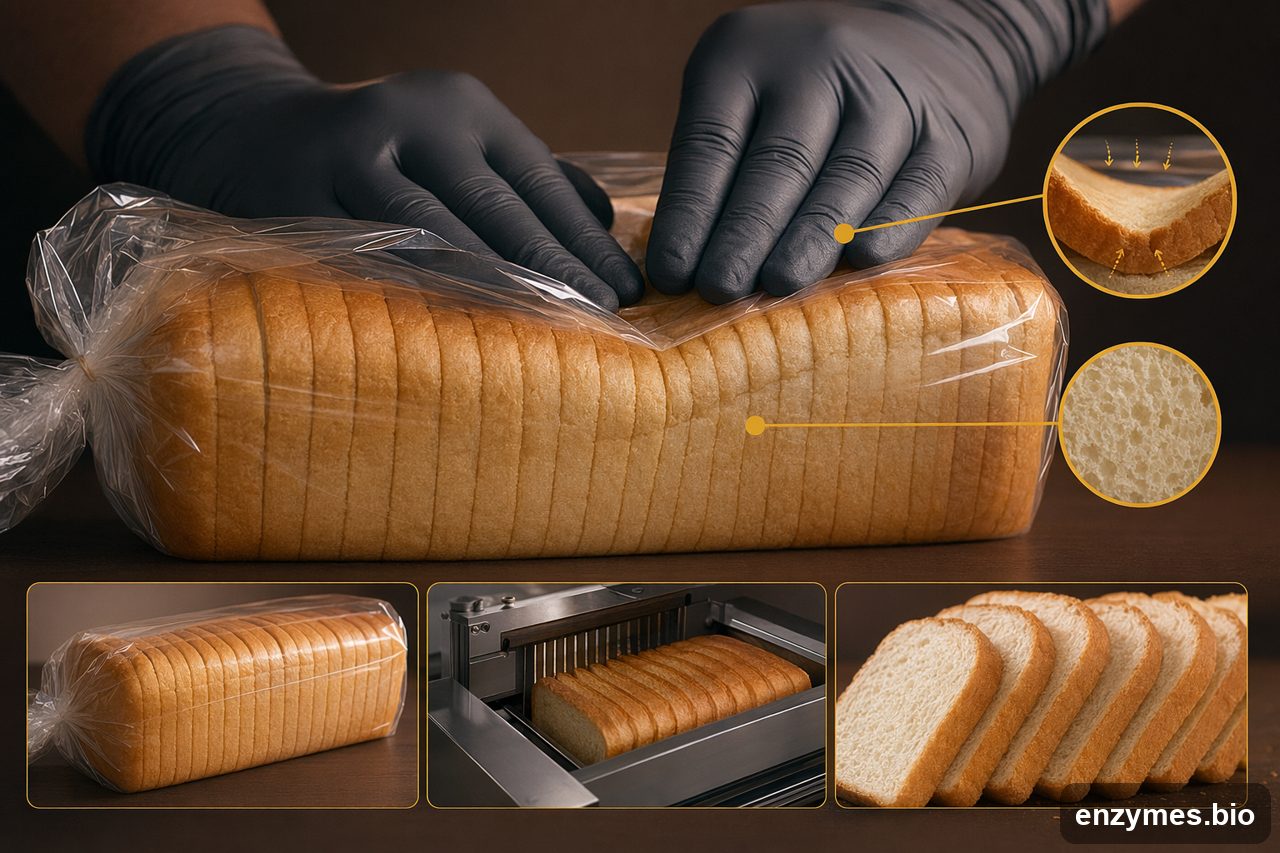
Maltogenic Amylase Solutions focuses on how Maltogenic Amylase behaves in blends: where it contributes, where it should be moderated, and which companion enzymes can sharpen performance across real bakery conditions.
Maltogenic Amylase Solutions supplies maltogenic amylase in bulk to enzyme blenders, improver manufacturers and ingredient distributors, as a straight grade for your own blend.
Buying in bulk? Send the product you make, the quantity and the destination country; pricing and pack are quoted per order. Request a quote
Bread staling is driven largely by starch retrogradation after baking. As starch structures reorganize during storage, crumb firms, elasticity drops, and the eating quality becomes dry or short.
Maltogenic Amylase helps slow that firming pattern by modifying starch fractions during baking. In a blend, it can be tuned to work alongside dough-strengthening, volume-supporting, and crumb-refining enzymes.
The best systems are not built by adding more enzyme types. They are built by assigning each enzyme a role.
Maltogenic Amylase is selected when softness must hold beyond the day of baking. In the right blend, it supports a slower firming curve without masking poor formula balance.
This is especially relevant for:
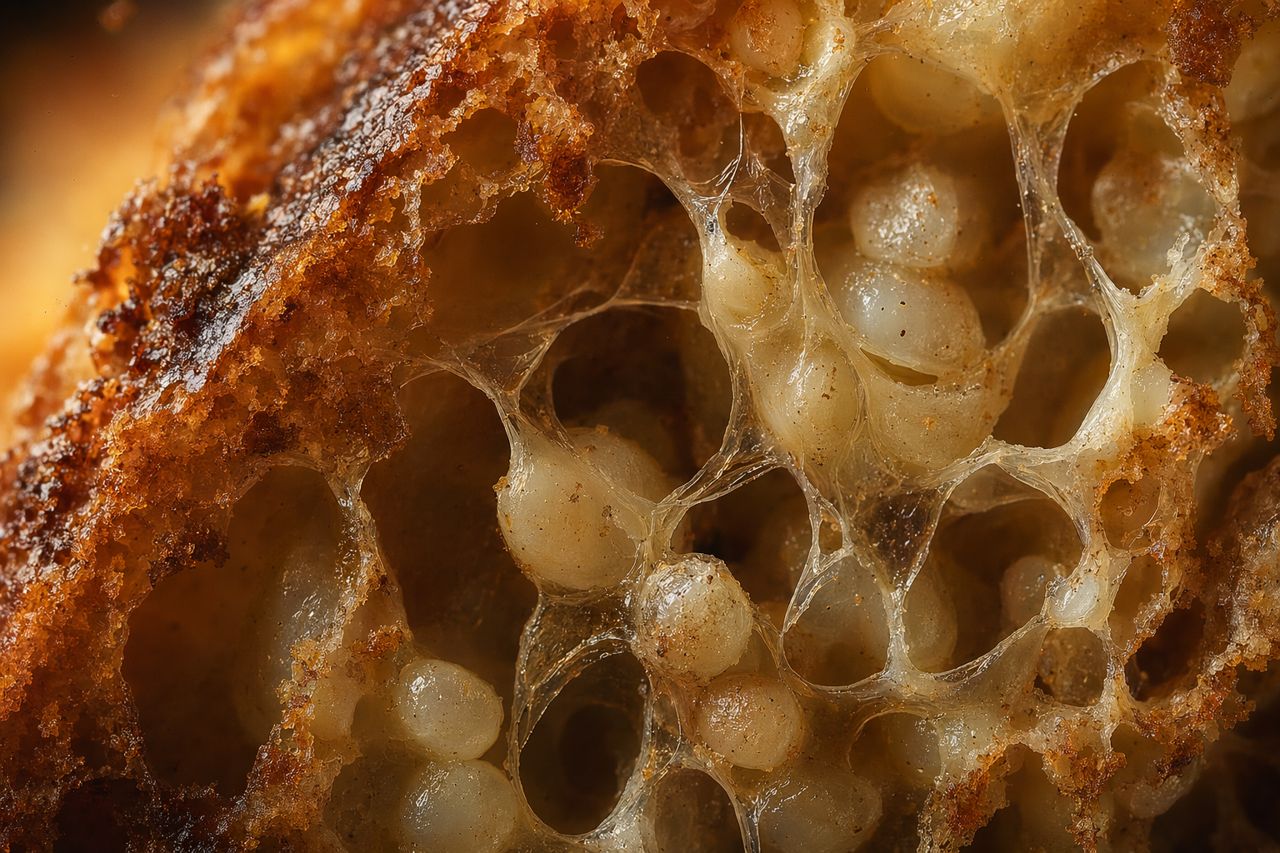
Softness alone is not enough. Commercial bakery products need to recover after compression in bags, trays, cases, and retail handling. A well-balanced Maltogenic Amylase blend helps maintain spring and bite, reducing the stale, tight crumb sensation that appears during storage.
When used correctly, Maltogenic Amylase can support smoother slicing and reduced crumb breakage over the product’s commercial life. This is particularly valuable for high-speed sandwich bread lines and buns that must tolerate mechanical handling.
Enzyme blends can reduce reliance on certain texturizing aids by delivering process-specific functionality at low inclusion levels. Procurement and R&D teams often evaluate Maltogenic Amylase blends when they need technical performance without a heavy formulation footprint.
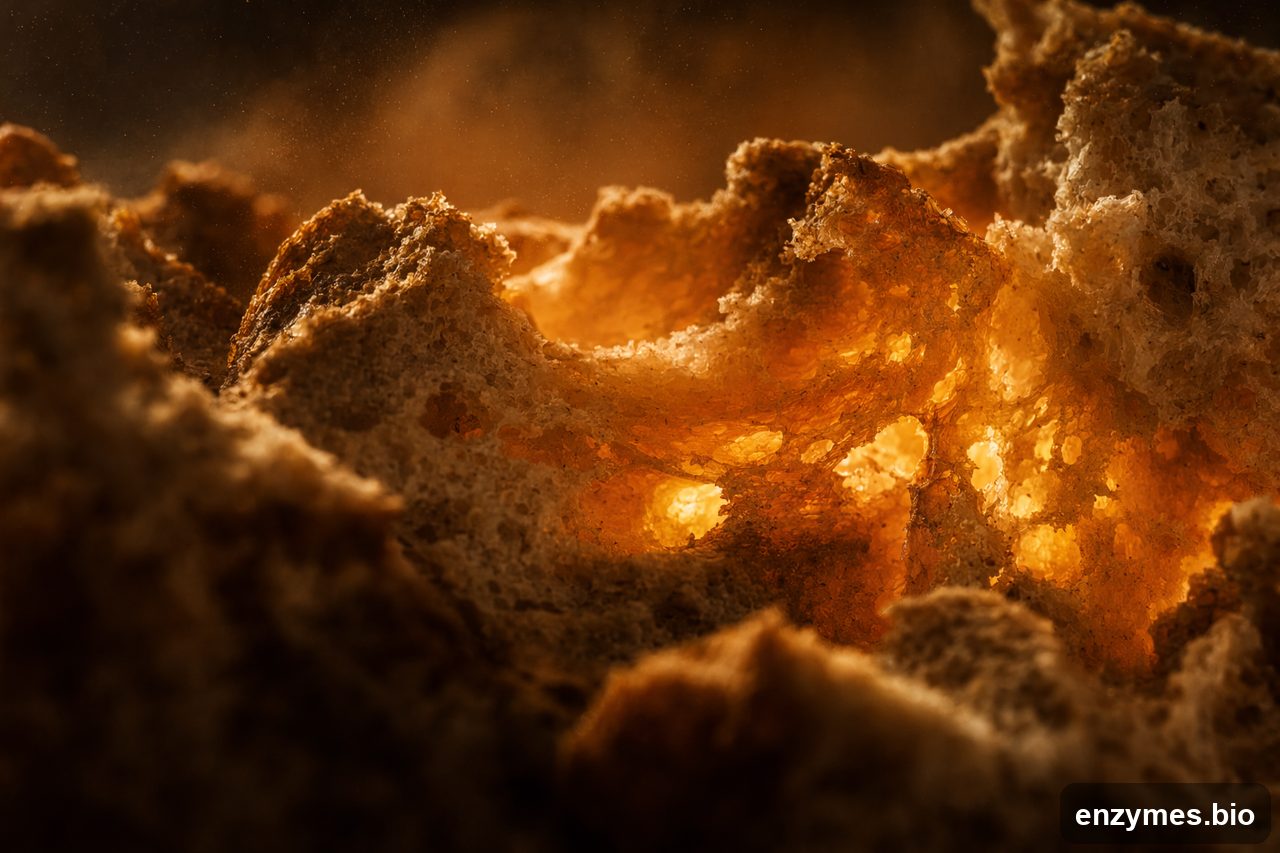
A pan bread blend should not be treated like a tortilla blend. Formula water, fat, sugar, flour strength, baking profile, and expected shelf life all influence how Maltogenic Amylase expresses itself.
A blend for soft rolls may prioritize bounce and compression recovery. A blend for tortillas may prioritize flexibility, foldability, and delayed cracking. A blend for sweet bread may need to tolerate higher sugar and fat while preserving a tender crumb.
Flour changes can shift dough behavior and starch availability. Stronger flours may need more extensibility support; weaker flours may need structure protection. Maltogenic Amylase should be selected and balanced within that reality, not treated as a universal fix.
Enzymes act during mixing, proofing, and especially heating. A short, hot bake may produce a different expression from a slower bake with deeper heat penetration. Blend selection should be validated under the plant’s actual time-temperature conditions.
Maltogenic Amylase can improve softness perception, but water remains central to crumb quality. In many formulations, performance depends on aligning enzyme action with hydration, mixing energy, gum or fiber systems, and packaging timing.
Maltogenic Amylase often pairs well with emulsifier systems or lipase-based approaches. The goal is not duplication; it is division of labor. Starch softness, crumb strengthening, gas cell stability, and mouthfeel should be handled as connected but separate design requirements.
A typical performance concept may combine Maltogenic Amylase with xylanase and lipase support. The intended result is a softer crumb, improved volume, better cell uniformity, and stronger post-bake resilience.
Best fit:
Primary evaluation points:
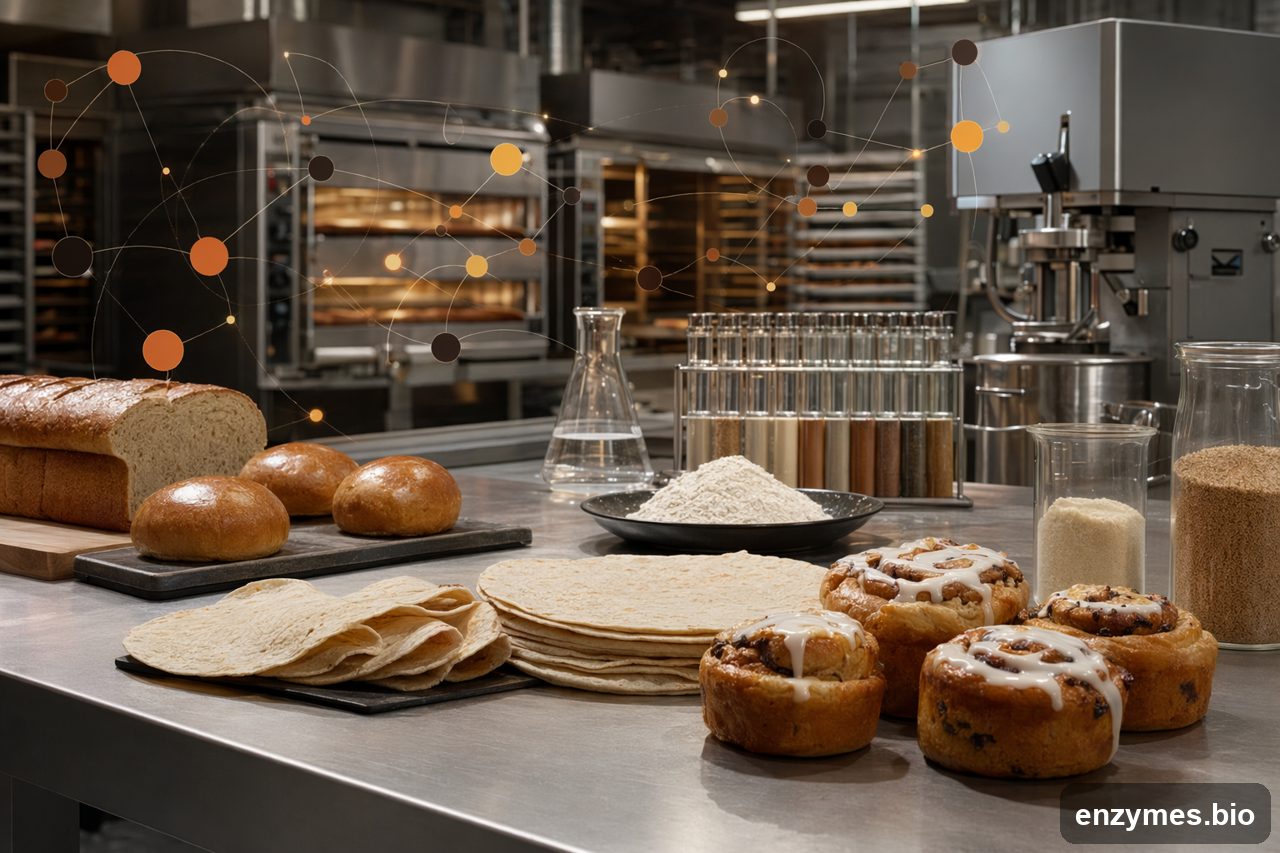
For tortillas, the blend target is different. Flexibility, fold performance, rollability, and delayed cracking matter more than loaf volume. Maltogenic Amylase may be combined with enzymes that support dough extensibility and soft bite.
Best fit:
Primary evaluation points:
High sugar and fat can change dough behavior and eating quality. Maltogenic Amylase can help protect tenderness, while companion enzymes may support structure, cell control, and finished-product softness.
Best fit:
Primary evaluation points:
Freeze-thaw stress can weaken dough and finished crumb. Maltogenic Amylase may be part of a system designed to protect softness after frozen storage or after thawing at retail or foodservice.
Best fit:
Primary evaluation points:
More enzyme is not always better. Excessive starch modification can lead to sticky crumb, poor slicing, weak sidewalls, gummy bite, or handling issues at the slicer and packer.
A practical Maltogenic Amylase blend should be validated against the entire product journey:
The most useful question is not “Did the bread feel soft on day one?” It is “Did the product remain commercially acceptable at the point of consumption?”
Use this checklist when comparing Maltogenic Amylase blends:
Maltogenic Amylase blends are most valuable when the bakery has a defined shelf-life or texture problem:
In these cases, the right blend can help stabilize product quality without forcing a complete formula redesign.
Tell us the blend you are building, the companion enzymes already in it, the quantity per order or per month, and the destination country. Use the inquiry form on this page. Pricing, pack format and lead time are quoted per order. Request a quote
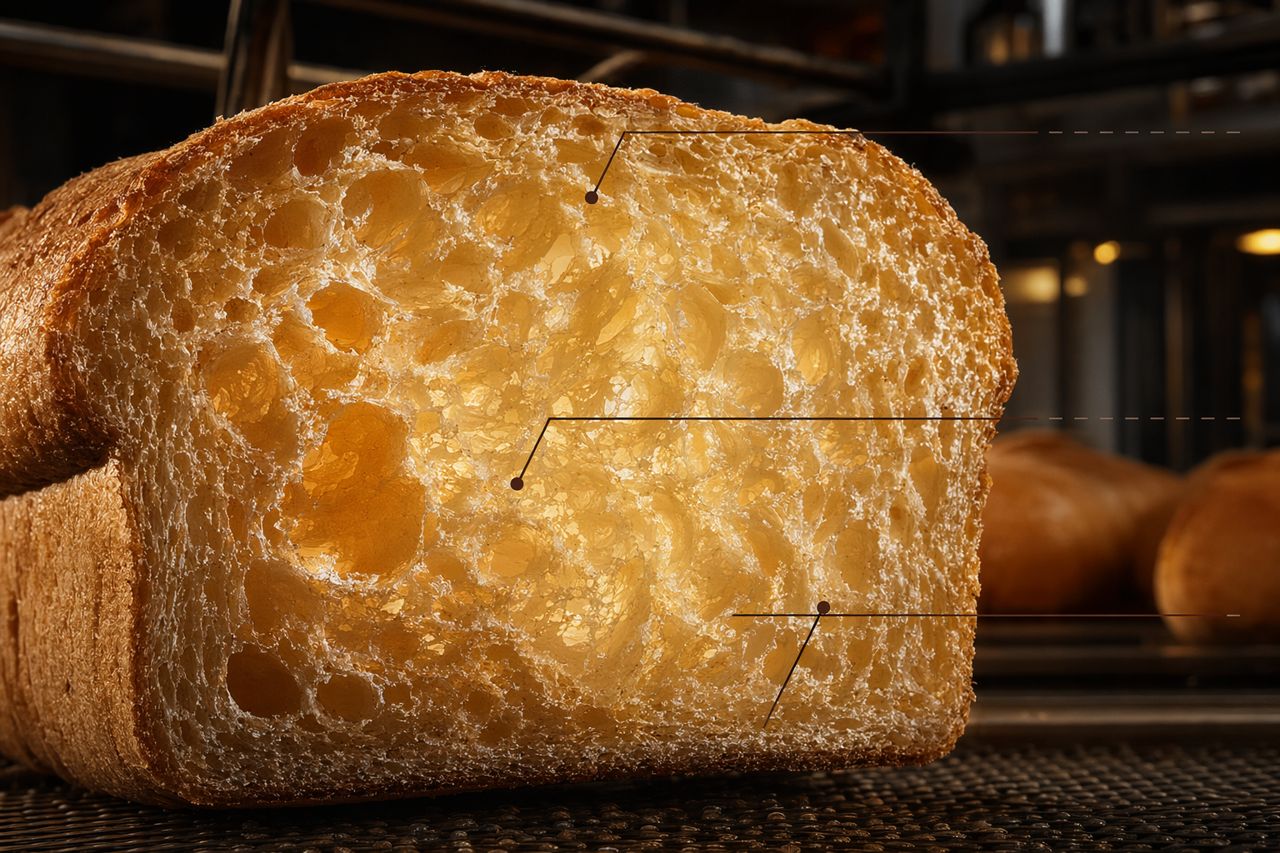
Tell us your application and volume — we reply with pricing and lead time.
We have received your message. We will reply by email.