Maltogenic Amylase supports softer crumb, improved resilience, and more consistent eating quality in cakes, muffins, buns, and starch-containing sweet baked goods.
For a cake or muffin manufacturer, staling is a cost line: products that firm and dry out before their date come back as returns or get marked down, and a short softness window limits how far you can distribute. Maltogenic amylase is used in starch-containing sweet bakery to keep the crumb soft and springy for longer, so packaged cakes, muffins and sweet buns eat closer to fresh at the end of their shelf life.
Maltogenic Amylase Solutions supplies maltogenic amylase in bulk to cake and sweet bakery manufacturers, to companies that blend cake improvers and premixes, and to ingredient distributors who serve them.
Request a quote: tell us the product (sponge, chiffon, loaf cake, muffin, sweet bun), whether you want a straight grade or a cake improver blend, the quantity and the destination country. Pricing and pack are quoted per order. Request a quote
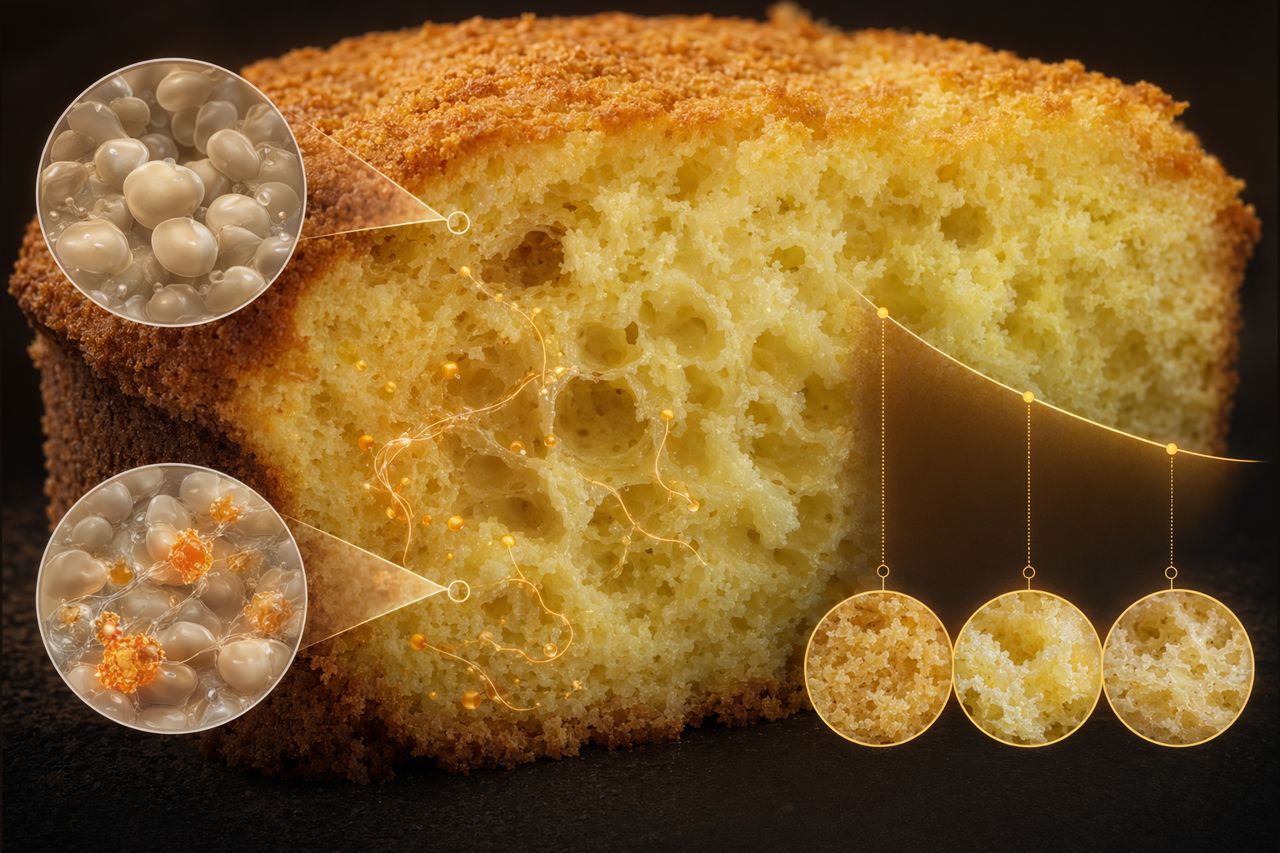
Staling in cakes, muffins, sweet rolls, and soft baked goods is strongly tied to starch behavior after baking. As the product cools and sits, starch molecules reorganize. The result is familiar: firmer bite, drier perception, shorter softness window, and less forgiving texture.
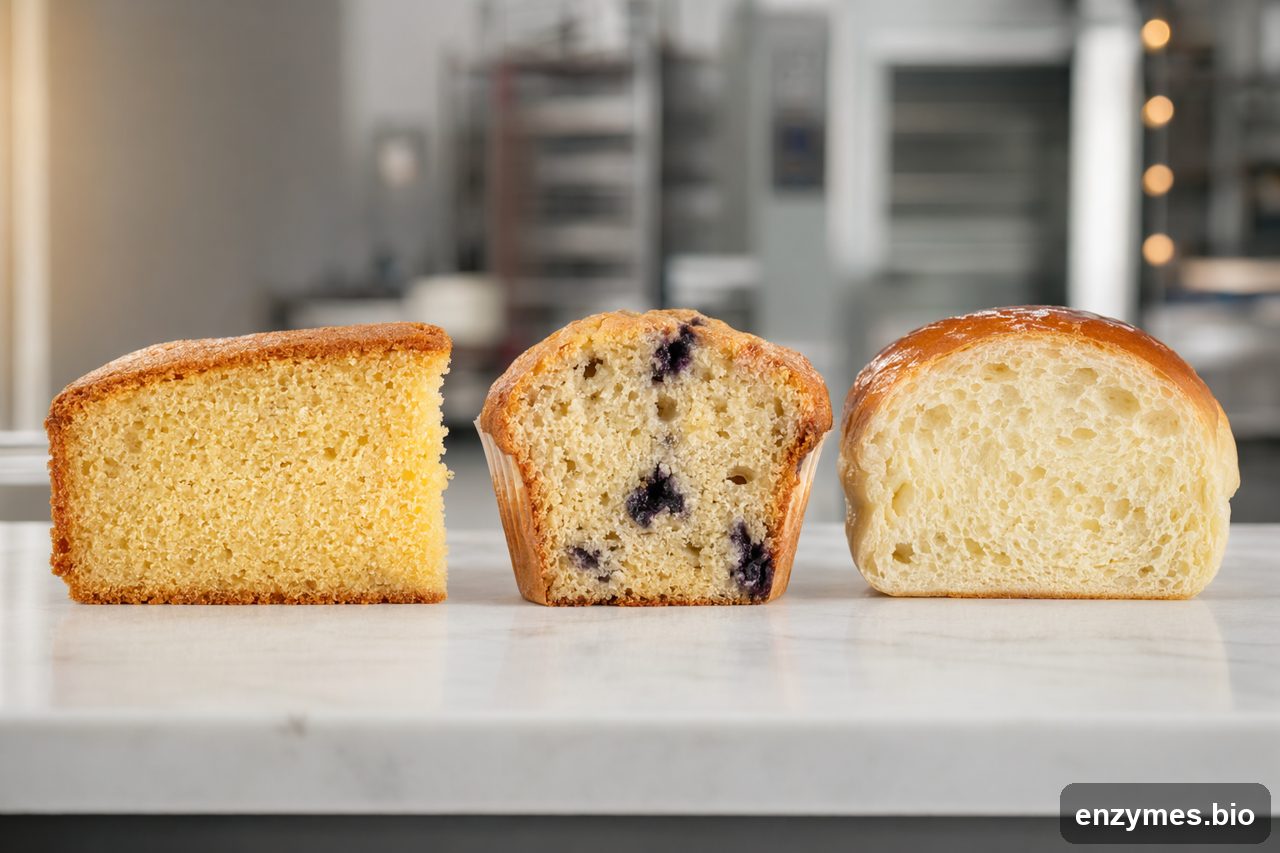
Maltogenic Amylase helps manage this change by selectively modifying starch during baking. In practical bakery language, it supports:
It is not a masking agent. It does not simply add moisture. It works within the starch phase, helping the crumb retain a softer structure after the product leaves the oven.
Maltogenic Amylase is suitable for a broad range of sweet baked applications where starch, sugar, fat, and water balance need careful control.
For R&D teams, the primary value is texture preservation without turning the formula into a visibly over-conditioned product. The goal is not a gummy crumb or artificial softness. The goal is a tender, elastic, premium eating quality that remains recognizable throughout shelf life.

Maltogenic Amylase helps slow the rate at which crumb becomes firm during storage. This is especially valuable in sweet bakery where consumers expect softness but products may sit through manufacturing, warehousing, retail, and home pantry time.
In muffins, cakes, and buns, the ideal crumb compresses gently and returns with grace. Maltogenic Amylase Solutions helps support that sensory spring, reducing the dense or dry perception that can appear as starch reorganizes.
Sweet baked goods often contain emulsifiers, fats, sugar, inclusions, fillings, cocoa, fruit preparations, or humectants. These ingredients can make softness targets harder to reproduce. Maltogenic Amylase gives formulators another lever for managing texture consistency without relying only on fat, syrup, or water activity adjustments.
For many premium and mainstream bakery brands, the best texture system is the one consumers do not notice. Maltogenic Amylase can support softness and freshness perception while preserving the intended identity of the product.
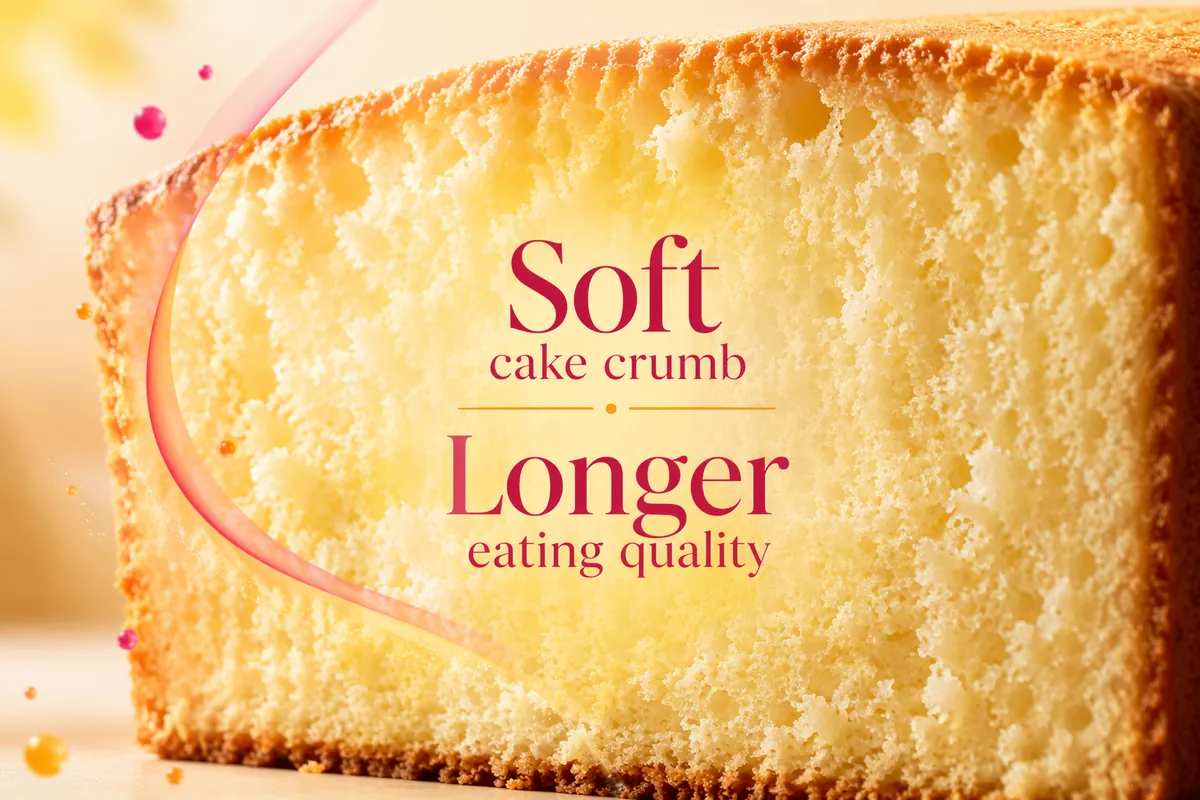
In cake production, maltogenic amylase is often bought inside a ready-made cake improver rather than on its own. A typical cake improver combines maltogenic amylase with lipase and xylanase on a starch carrier and is used for chiffon and sponge cakes. Four results for the finished cake:
It works across different cake formulas and flours. Typical specification: effective range pH 3.0 to 7.0 and 25 to 70 °C, with its best performance at pH 5.5 to 6.5 and 40 to 50 °C, a shelf life of 12 months, and packs of 1 kg bags or 10 kg drums.
What this means for a buyer: if you run sponge or chiffon cake and want one addition that covers softness, structure and volume, ask for a cake improver blend. If you already have an emulsifier and structure system and only want to extend softness, a straight maltogenic amylase grade lets you set the anti-staling level on its own. We can quote either.
Maltogenic Amylase is typically evaluated as part of the dry ingredient system or premix strategy. It should be dispersed thoroughly to ensure even distribution through the batter or dough.

Key formulation variables to assess include:
Because sweet bakery systems vary widely, the best use level is confirmed through bench and pilot trials. Maltogenic Amylase Solutions supports structured evaluation with side-by-side texture, sensory, and shelf-life review.
A strong trial should compare a control formula against one or more enzyme-treated formulas using the same bake, cooling, packaging, and storage conditions.
Recommended evaluation points:
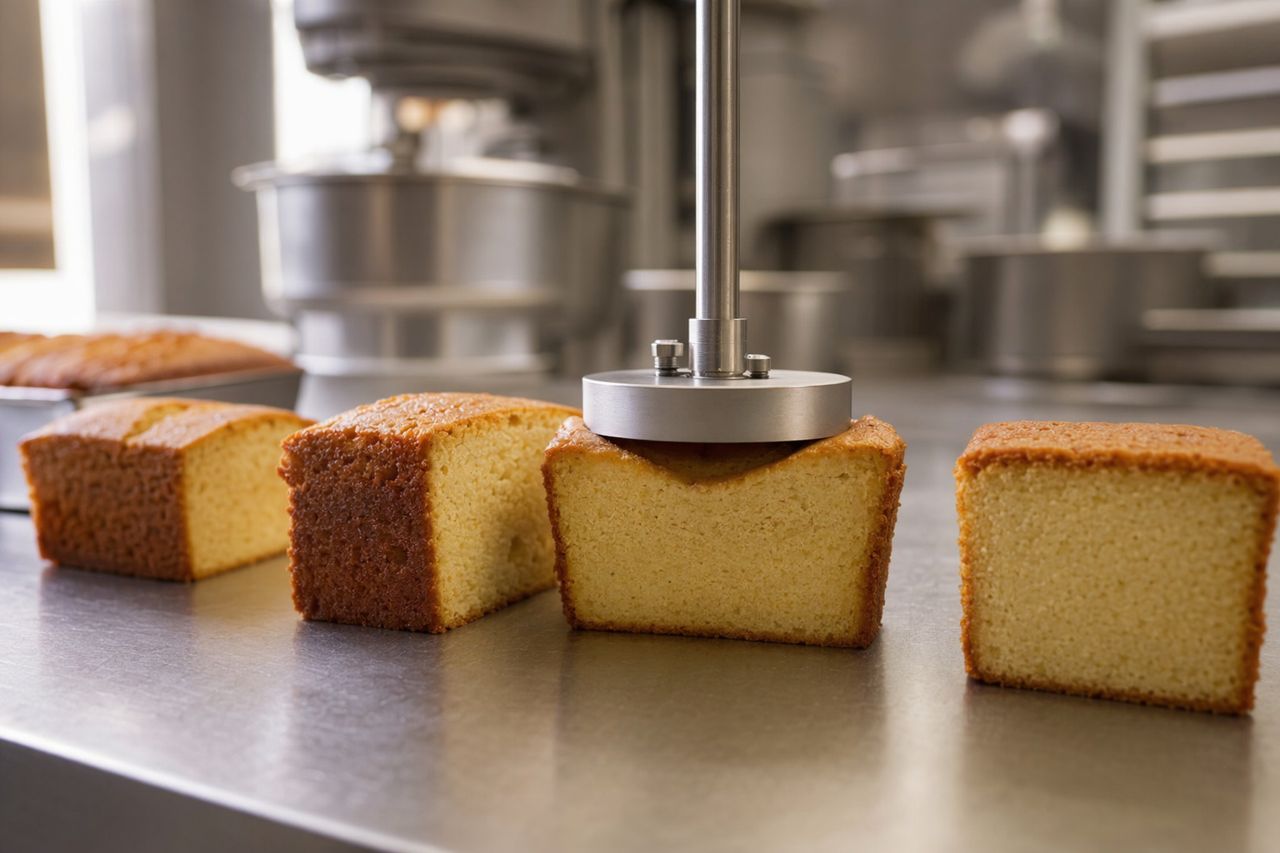
For packaged muffins and cakes, we recommend combining instrumental texture analysis with sensory review. The best result is not always the softest number. It is the texture that still feels fresh, balanced, and true to the product concept.
Maltogenic Amylase Solutions is built for industrial bakery development, pilot validation, and commercial procurement discussions. Our team can support documentation requests, application review, and practical scale-up conversations for sweet baked goods programs.
Available support may include:
Maltogenic Amylase Solutions supplies maltogenic amylase wholesale, as a straight grade or in a cake improver blend, to cake and sweet bakery manufacturers, premix blenders and ingredient distributors. Use the inquiry form on this page with your product, quantity per order or per month, and destination country. Pricing, pack format and lead time are quoted per order. Request a quote
Tell us your application and volume — we reply with pricing and lead time.
We have received your message. We will reply by email.