Technical guide for bakery improver formulators and premix buyers evaluating maltogenic amylase for crumb softness, resilience, and shelf-life performance.
Maltogenic Amylase is one of the most commercially important enzymes in modern bakery improver systems because it addresses the problem buyers can feel immediately: crumb firming over shelf life.
For bakery R&D, formulation, and procurement teams, the value is not simply “anti-staling.” It is the ability to design a softer, more resilient eating quality across packaged breads, buns, rolls, sweet doughs, flatbreads, and enriched bakery formats without relying only on higher fat, sugar, or emulsifier load.
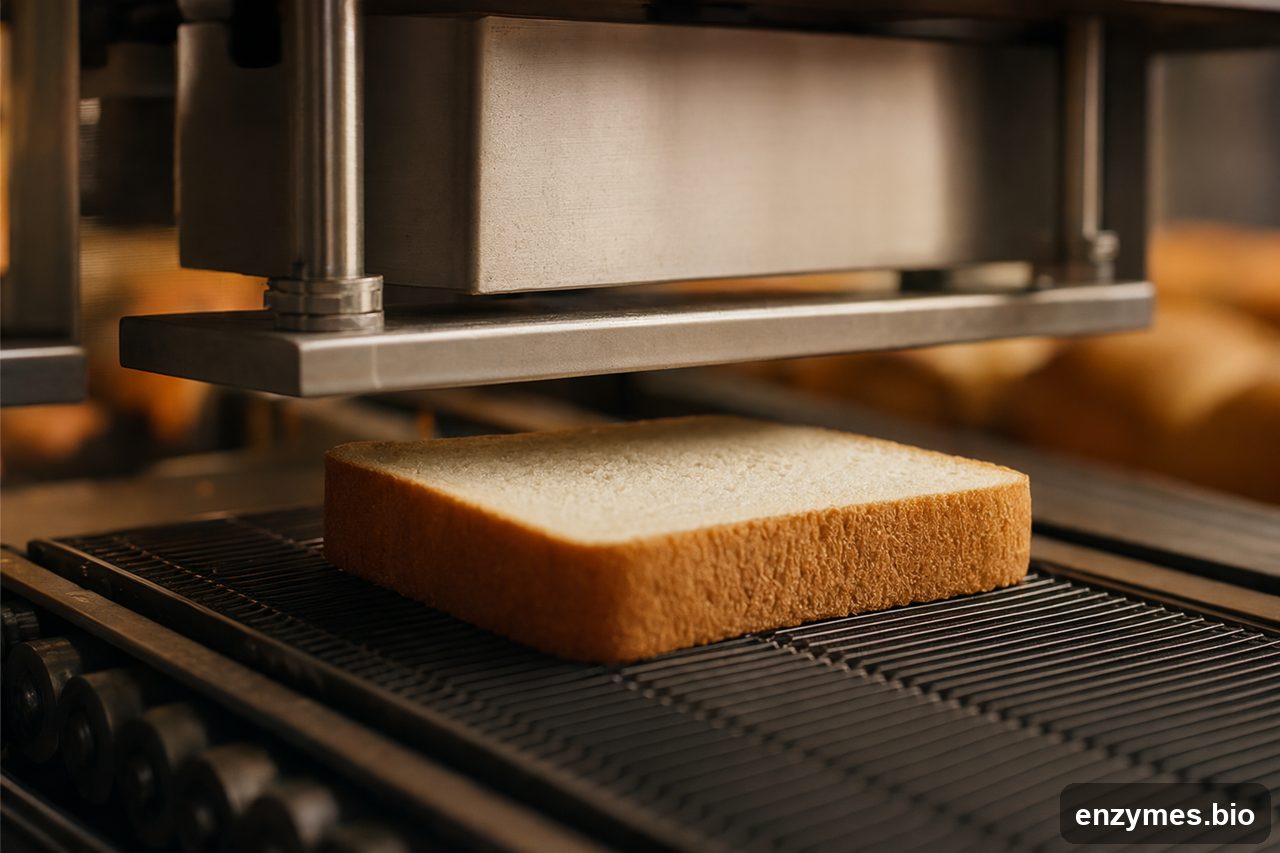
Used correctly, Maltogenic Amylase helps keep crumb structure supple, improves slice softness, and supports a fresher sensory profile through distribution, retail display, and consumer use.
Maltogenic Amylase Solutions supplies maltogenic amylase wholesale to dough conditioner and improver manufacturers, premix blenders and ingredient distributors.
Buying in bulk? Send the product you make, the quantity and the destination country; pricing and pack are quoted per order. Request a quote
Dough conditioners and bakery improvers are expected to do several jobs at once: support machinability, improve volume, build tolerance, enhance crumb texture, and protect eating quality over time. Maltogenic Amylase contributes most directly to the shelf-life and crumb-softness portion of that system.
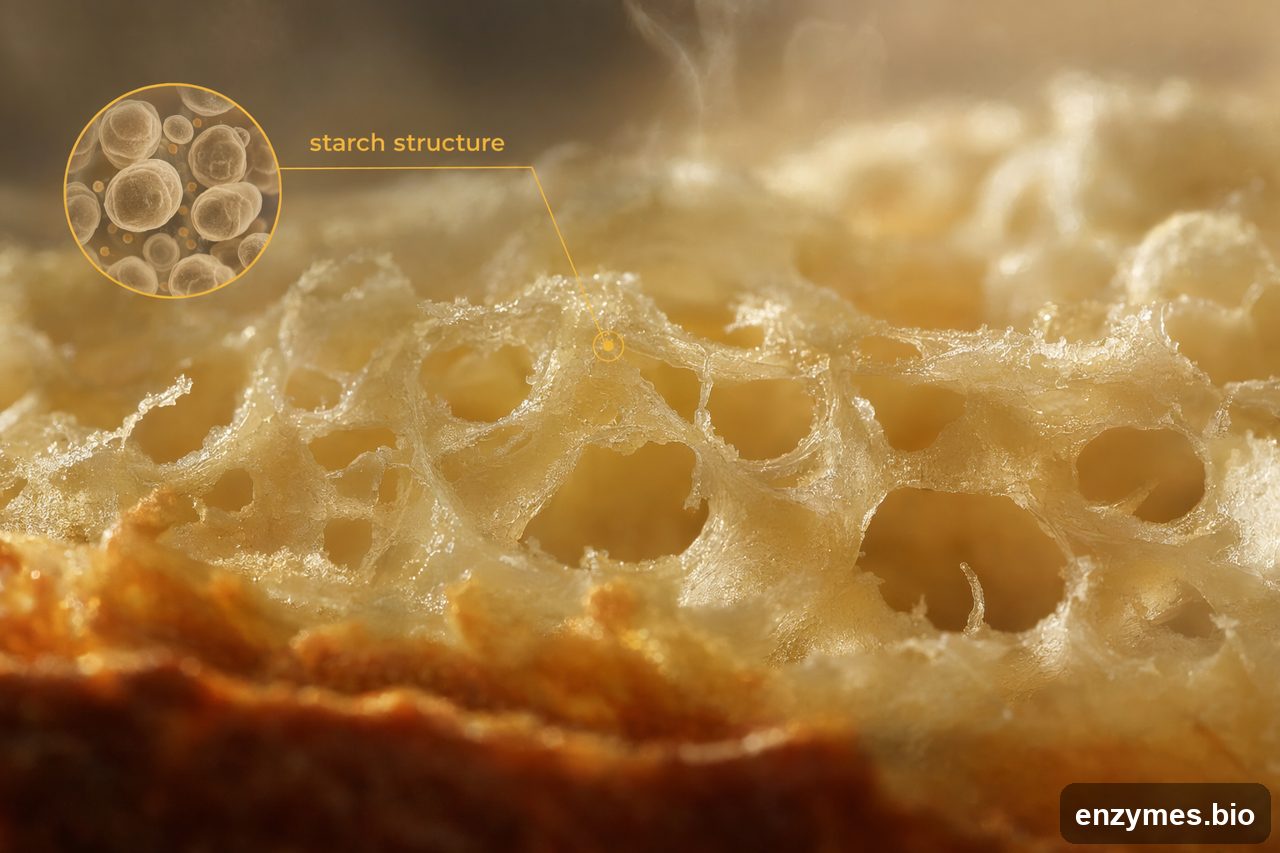
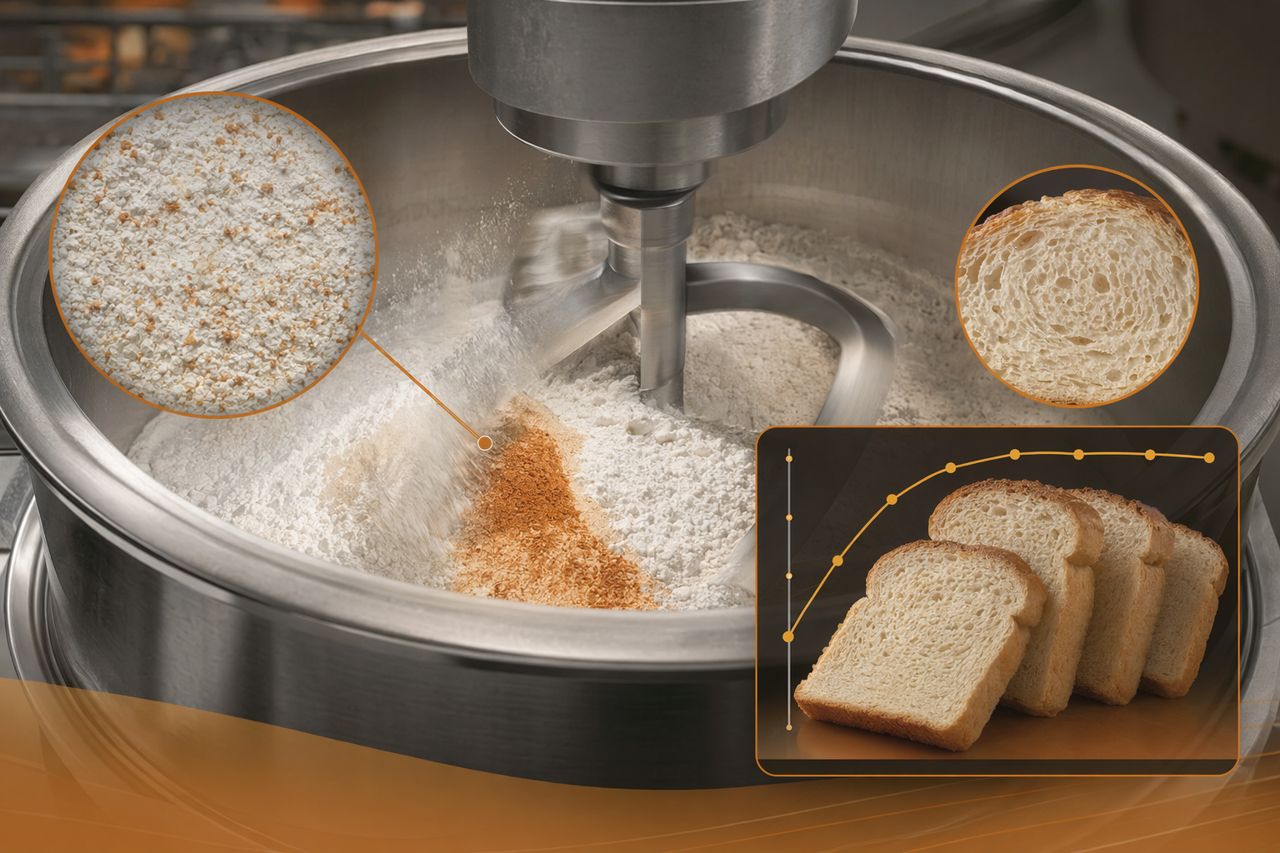
During baking, starch granules gelatinize and become part of the crumb structure. As bread cools and ages, starch molecules gradually reorganize, contributing to firming, dryness perception, and loss of spring. Maltogenic Amylase modifies starch in a controlled way, producing smaller carbohydrate fragments that interfere with this firming process and help maintain a softer bite.
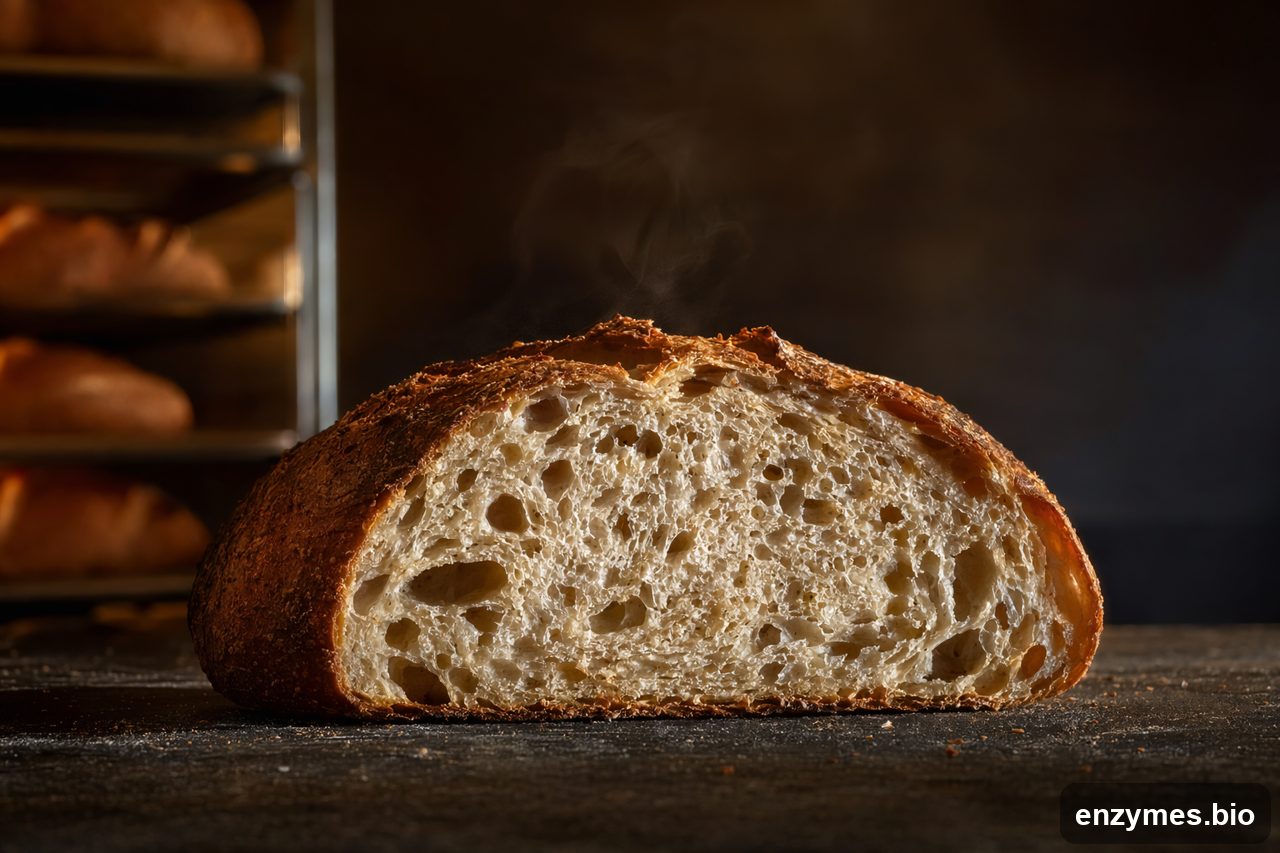
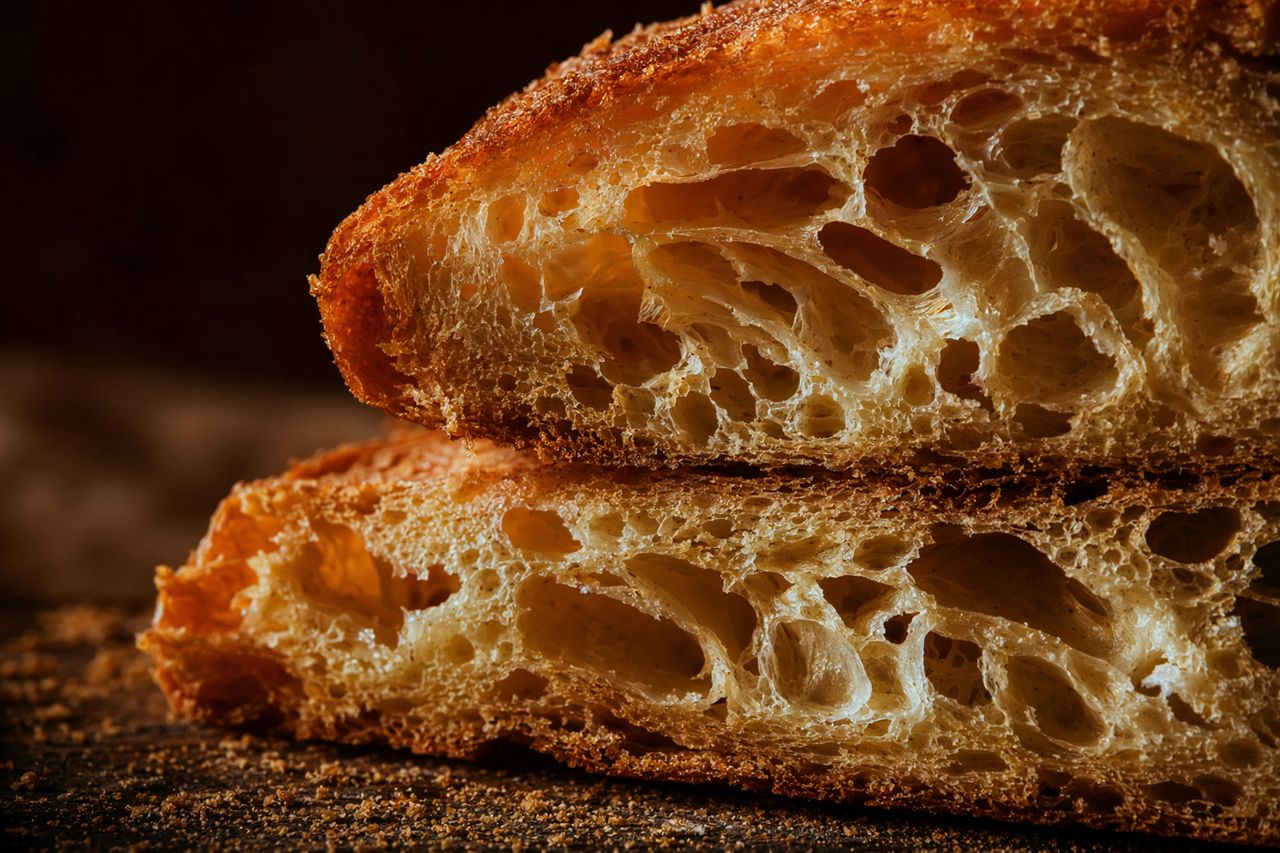
The result is a crumb that feels less brittle, rebounds more cleanly after compression, and remains more appealing through the intended sales window.
The primary reason formulators select Maltogenic Amylase is sustained crumb softness. In packaged bakery, that performance can support fewer texture complaints, better repeat purchase, and more consistent product experience across the supply chain.
Softness alone is not enough. A bread that collapses or gums at the cut face is not a premium eating experience. Well-balanced Maltogenic Amylase use can help preserve crumb resilience, giving sliced breads and buns a more elastic, fresh-baked feel.
For brands reducing dependence on certain chemical conditioners or looking to rationalize label architecture, enzyme-based freshness systems can be a useful tool. Maltogenic Amylase often works as part of a broader improver package rather than as a single-function ingredient.
Industrial bakery rarely ends at the oven door. Products face cooling, slicing, bagging, warehousing, transport, and retail display. Maltogenic Amylase helps protect sensory quality across that journey, particularly in products where softness is a purchase driver.
Maltogenic Amylase is commonly incorporated into dry improver blends, dough conditioner premixes, bakery enzyme systems, and complete functional blends for industrial and artisanal-scale production.
Typical applications include:
In each case, the enzyme should be considered alongside flour quality, process conditions, fermentation time, baking profile, fat system, emulsifier choice, hydrocolloids, and packaging format.
Maltogenic Amylase is powerful because small formulation changes can shift texture over time. Underuse may leave the crumb firming curve largely unchanged. Overuse can create excessive softness, tackiness, or a gummy eating quality, especially in high-moisture or enriched systems.
A practical development approach is to evaluate crumb firmness, slice integrity, chew, moisture perception, and aroma release across the actual target shelf life, not only on day one.
A soft sandwich bread, a brioche-style bun, and a tortilla do not need the same freshness curve. Pan breads often prioritize slice softness and compression recovery. Buns need tenderness without collapse. Flatbreads need foldability, flexibility, and reduced cracking.
Maltogenic Amylase selection should therefore be linked to product format, process severity, and the sensory language your customer uses to define freshness.
Flour performance shifts by crop, mill stream, protein quality, starch damage, and native enzyme profile. Maltogenic Amylase can add consistency, but it is not a substitute for flour control. In improver systems, it should be validated against the flour range expected in production.
Maltogenic Amylase often performs best in a complete texture system. Emulsifiers can support gas cell stability and crumb structure, while hydrocolloids may influence moisture perception and flexibility. The strongest improver systems are built by understanding these interactions rather than stacking ingredients blindly.
For premix buyers and bakery procurement teams, the best Maltogenic Amylase choice is not only about headline performance. It is about repeatability, handling, documentation, and fit with the manufacturing environment.
Key purchasing questions include:
A bakery improver is only valuable if it performs predictably in the customer’s process. Procurement should therefore evaluate technical reliability alongside price.
Maltogenic Amylase is usually added with the dry ingredients through an improver or premix. Uniform dispersion matters because inconsistent distribution can create uneven crumb texture across the batch.
Process variables that can affect final performance include:
For best development results, test under realistic plant conditions and evaluate the product through the full commercial shelf-life window.
Technical texture data is useful, but bakery freshness is ultimately judged by touch and bite. When screening Maltogenic Amylase in dough conditioners, evaluate both instrumental and sensory outcomes.
Suggested evaluation points:
The goal is not the softest possible crumb. The goal is a controlled freshness curve that fits the product, packaging, and consumer expectation.
Maltogenic Amylase can be central to shelf-life extension, but it should be integrated into a complete bakery improver strategy. Flour quality, oxidation-reduction balance, emulsification, water management, and process control all influence the final crumb.
A loaf that feels excellent immediately after cooling may not deliver the best retail performance. The correct evaluation window is the full intended shelf life.
Soft sandwich bread, premium buns, and flexible flatbreads require different outcomes. The same enzyme system can behave differently depending on formulation and process.
Premium freshness should feel tender, elastic, and clean. If the crumb becomes sticky, gummy, or weak, the improver system needs rebalancing.
Maltogenic Amylase Solutions focuses on Maltogenic Amylase as a precision freshness tool for bakery improver manufacturers, premix suppliers, and industrial bakeries. The emphasis is controlled softness, resilient crumb structure, and practical performance in commercial production.
For development teams, that means a technical conversation around product format, flour base, processing conditions, target shelf life, and sensory expectations. For procurement teams, it means reliable supply, clear documentation, and a specification pathway that supports repeat manufacturing.
Tell us the conditioner or improver you are building, the quantity per order or per month, and the destination country. Use the inquiry form on this page. Pricing, pack format and lead time are quoted per order. Request a quote

Tell us your application and volume — we reply with pricing and lead time.
We have received your message. We will reply by email.